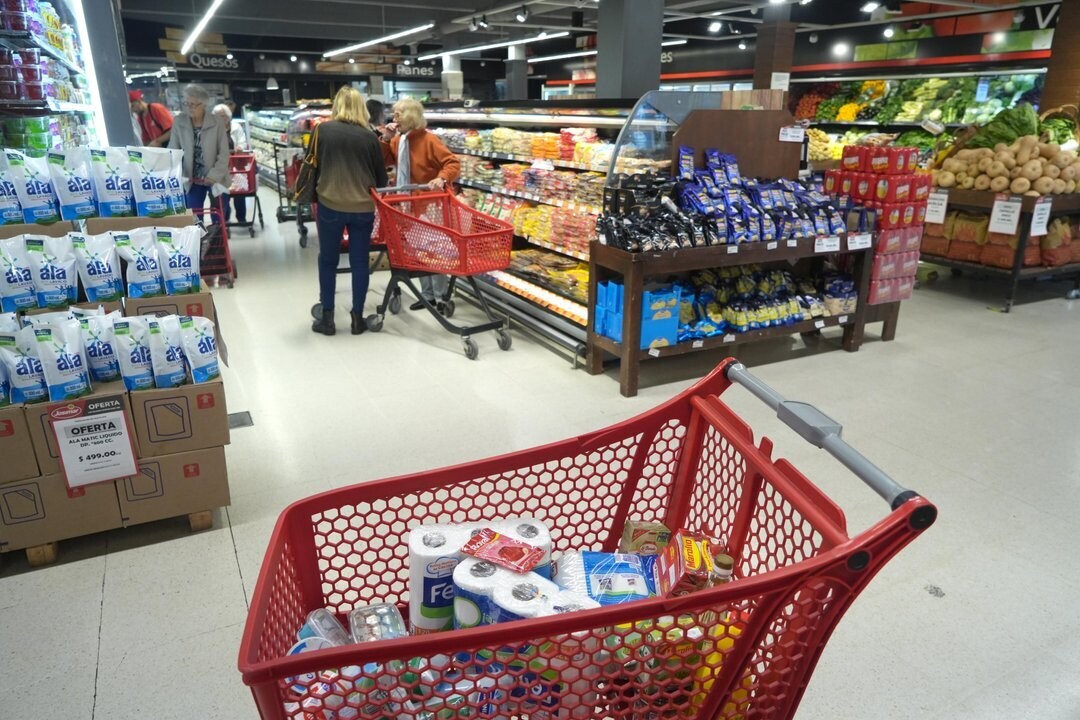
In Argentina, the cost of filling a shopping cart at the supermarket shows notable disparities depending on the geography. According to a study by the consulting firm Analytica, as reported by the Argentine News Agency, in December, families needed up to ARS 890,000 to cover a basket of food and beverages, with a difference of over ARS 100,000 between the most expensive and cheapest province. The survey, titled 'The Federal Shopping Cart,' measured the cost of a typical monthly purchase for a family of four (two adults and two children) using identical products in brand and presentation to ensure comparability. The Patagonian region dominates the ranking of the country's most costly districts. Santa Cruz ranked first with a total basket value of ARS 890,350. It was followed by: Chubut: ARS 876,576; Río Negro: ARS 863,809; Tierra del Fuego: ARS 860,986; Neuquén: ARS 840,602. At the opposite end, Formosa was positioned as the province with the most economical cart, at a cost of ARS 783,302. Eight provinces exceeded the general CPI of 2.8%. Regarding products, the strongest increases were seen in: Beef (Asado): Price hikes of between 10% and 15% in almost the entire country. Minced meat: Increases from 4% to 8%, with peaks of 16% in the south. Water crackers: Price increases of 3% to 6%. Eggs: It was the only product that remained stable or decreased in price in districts like the City of Buenos Aires (-3.1%).