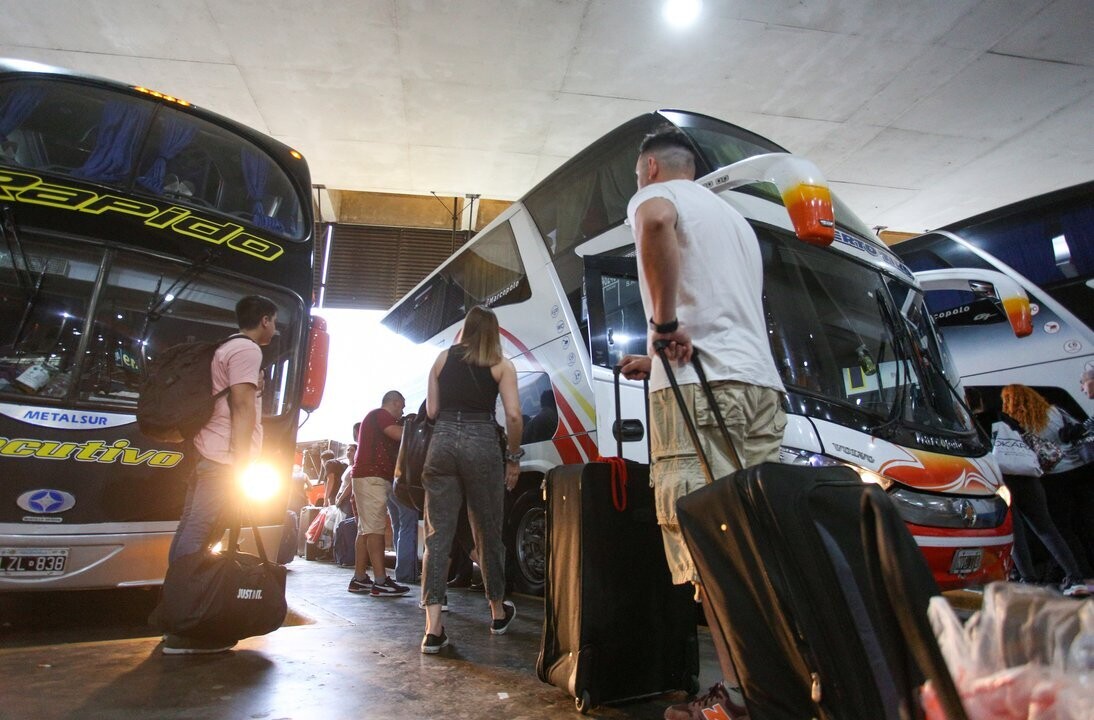
In 2025, land tourism consolidated a structural change in Argentine mobility, with less centrality in Buenos Aires and more direct interprovincial connections, driven by digitalization and the expansion of routes. Throughout the year, the strengthening of land connectivity allowed thousands of travelers to choose previously less accessible destinations, with a direct impact on regional economies and a redistribution of the tourist flow nationwide. In its annual report, Plataforma10, an online micro-bus ticket sales site, highlighted that land tourism spurred a reconfiguration of the Argentine mobility map and accelerated the federalization of tourism. According to data collected by the company, the dependency on Buenos Aires as a central hub continued to decline, giving way to a more direct network of connections between provinces. During 2025, interprovincial connections multiplied in strategic corridors such as Córdoba–Mendoza, Rosario–Santa Fe, Tucumán–Jujuy, Salta–Catamarca, Neuquén–Bariloche, and Corrientes–Posadas, among others. This phenomenon directly impacted intermediate cities, which recorded higher passenger traffic, more reservations, and an increase in economic activity thanks to improved land connectivity. Regarding route performance, Rosario–Santa Fe led the annual growth with a 79% increase, followed by Tucumán–Jujuy with a 28% rise and Córdoba–Mendoza with an 18% increase, reflecting a greater preference for direct interprovincial travel. The company attributed much of this growth to the consolidation of online ticket purchasing, which facilitated access to information, price comparison, and faster travel decision-making. "The user now buys with more confidence and trusts the protection we offer on the platform. Additionally, the use of the mobile app is very intuitive," explained Sebastián Machado Malbrán, CEO of Plataforma10. According to the company, digitalization spurred more spontaneous trips, short getaways, and increased demand for non-traditional destinations by allowing the discovery of new routes from the platform. "Digitalization is today the main enabler of federal mobility," added Machado Malbrán, highlighting the change in the ticket purchasing experience. Looking ahead to 2026, Plataforma10 projected the addition of new interprovincial routes, the integration of more regional transport companies, and the development of smarter purchasing tools with greater personalization. The report concluded that in 2025, land transport was consolidated as one of the most stable options for traveling within the country due to its competitive price, predictability, and diversity of routes and schedules.