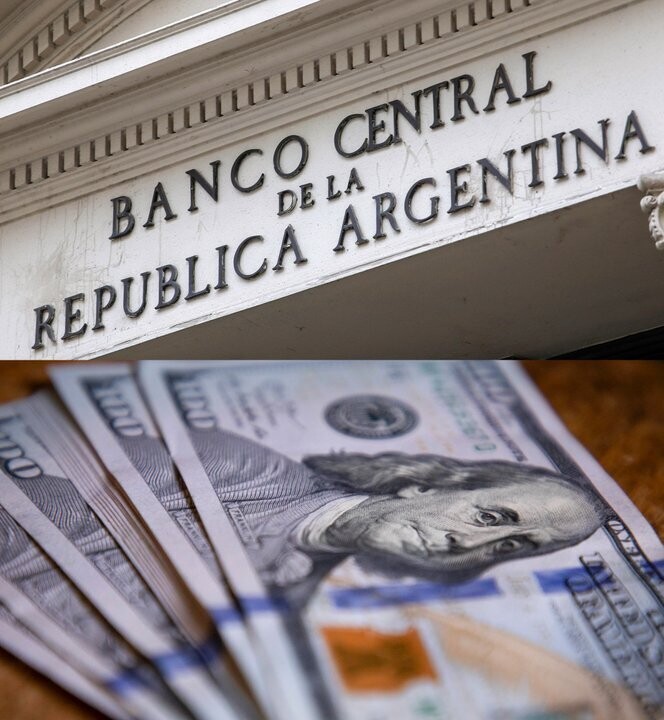
Argentina will need next year for the country risk to fall to the 300-point zone—it is currently at 620—to finally secure funding in international markets at reasonable rates and clear any doubts about debt payment compliance. The country still needs to raise USD 3 billion for January maturities and another USD 4.5 billion for July, according to the Argentine News Agency. The risk for the government is that a sharper depreciation of the peso could put upward pressure on prices. In this context, the decision to change the dollar's floating band system starting in January and link it to inflation running at 2.5% monthly must be understood. The first reaction to the measure was a drop in public bond prices, and if this trend holds, it will allow the country risk to decline. Analysts explain that it was unsustainable to maintain a 1% depreciation with such a sustained cost of living. Thus, the economic team is also sending a signal to the IMF, which had been questioning the lack of reserve accumulation. It is now expected that the Central Bank will be able to start accumulating foreign currency from wheat exports, which are already beginning to arrive—for example, based on the first shipment to China—and from March or April, the powerful soybean sales. Following the November inflation figure of 2.5%, the government accepted the need to begin a new phase of its economic program. The Central Bank decided that starting January 1, it will adjust the dollar's floating band system and also defined mechanisms to increase reserve purchases. In this way, the ceiling will be set at ARS 1,556. According to analysts, this will allow the Central Bank to let the exchange rate adjust without having to sell reserves in the market. In parallel, the agency announced a reserve repurchase program, expecting that money demand will increase consistently from next month. The monetary authority estimates it will buy between USD 10 billion and USD 17 billion. The market is expected to welcome these measures. "As of January 1, 2026, the upper and lower limits of the exchange rate band will evolve monthly at the rate corresponding to the latest monthly inflation figure reported by INDEC," the BCRA said. This means that starting next month, the floating band will be updated to the 2.5% monthly rate that INDEC reported last week.