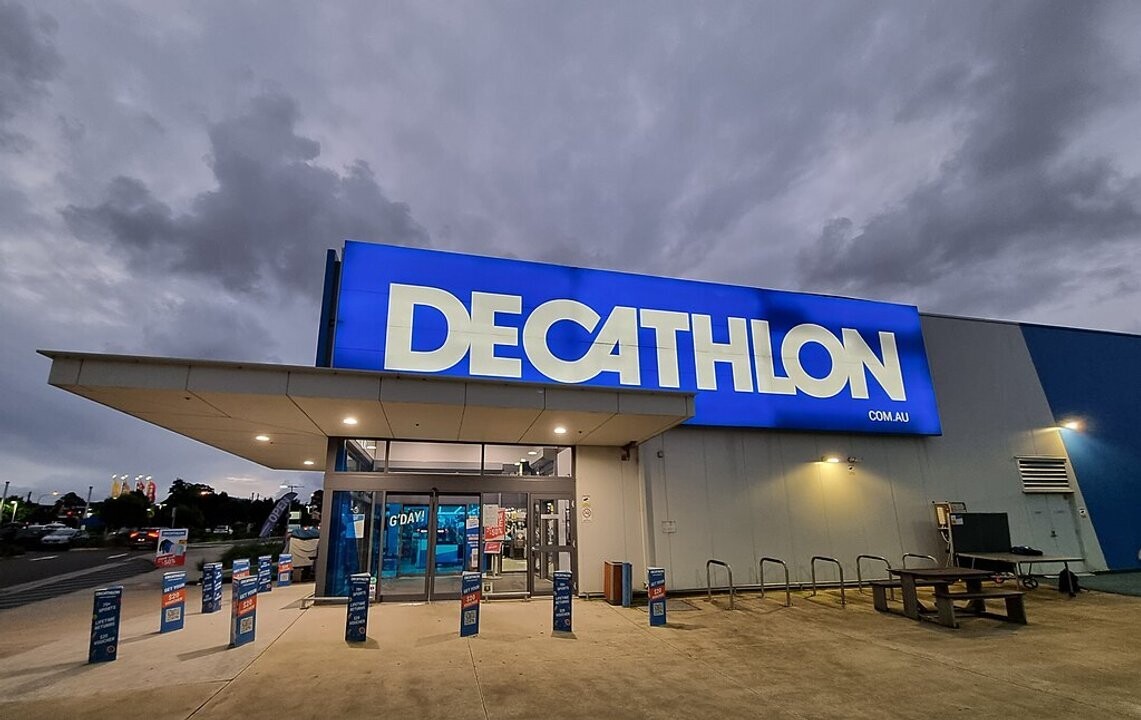
Buenos Aires, November 19 (NA) — The arrival of the sports chain Decathlon in Argentina has generated controversy due to its prices, which are between 55% and 178% higher than the same products offered in Uruguay and Brazil. According to the Argentine News Agency (NA), citing a report from the Pro Tejer Foundation, this disparity occurs despite Argentina having import tariffs for textiles and footwear that are equal to or even lower than its neighbors (20% vs. 35% in Brazil).
Why are the same products more expensive? The Pro Tejer study dismantles the idea that high prices are the fault of the national industry, arguing that the gap is due to a "systemic lack of competitiveness" in the Argentine economic environment:
High tax burden: Argentina has one of the highest tax burdens in the world, which accumulates at each stage of the chain (production, logistics, and marketing).
Freight and logistics: Transportation and logistics costs are "extremely high" and much higher than in the region.
Financial costs: High dollar interest rates increase the cost of consumer and working capital financing.
Rent and services: Commercial costs, such as renting spaces in shopping malls and services, are well above the regional average.
Labor surcharges: High non-wage surcharges, such as employer contributions and ART (work risk insurance).
Loss of purchasing power and market scale: The decline in middle-class consumption and a "small" domestic market force companies to set higher prices to cover fixed costs.
Price comparison for Decathlon in the region:
Trekking socks: Argentina is 17% more expensive than Uruguay and 133% more expensive than Brazil.
Running shoes: The most extreme case, Argentina is 178% more expensive than Uruguay and 156% more expensive than Brazil.
Tennis skirt: Argentina is 14% more expensive than Uruguay and 39% more expensive than Brazil.
Running jacket: Argentina is 17% more expensive than Uruguay and 21% more expensive than Brazil.
Fitness t-shirt: Argentina has the same price as Uruguay, but it is still 55% more expensive than Brazil.
The Decathlon case: an example of a structural problem The Pro Tejer Foundation emphasizes that the problem does not lie in production (since Decathlon products are imported from China or Indonesia for the entire region), but in a country where "producing and marketing is competitive on a global scale".
The challenge, they conclude, is to build an economic environment that allows for sustainable prices and growth in real incomes, rather than attributing high prices to the local industry.