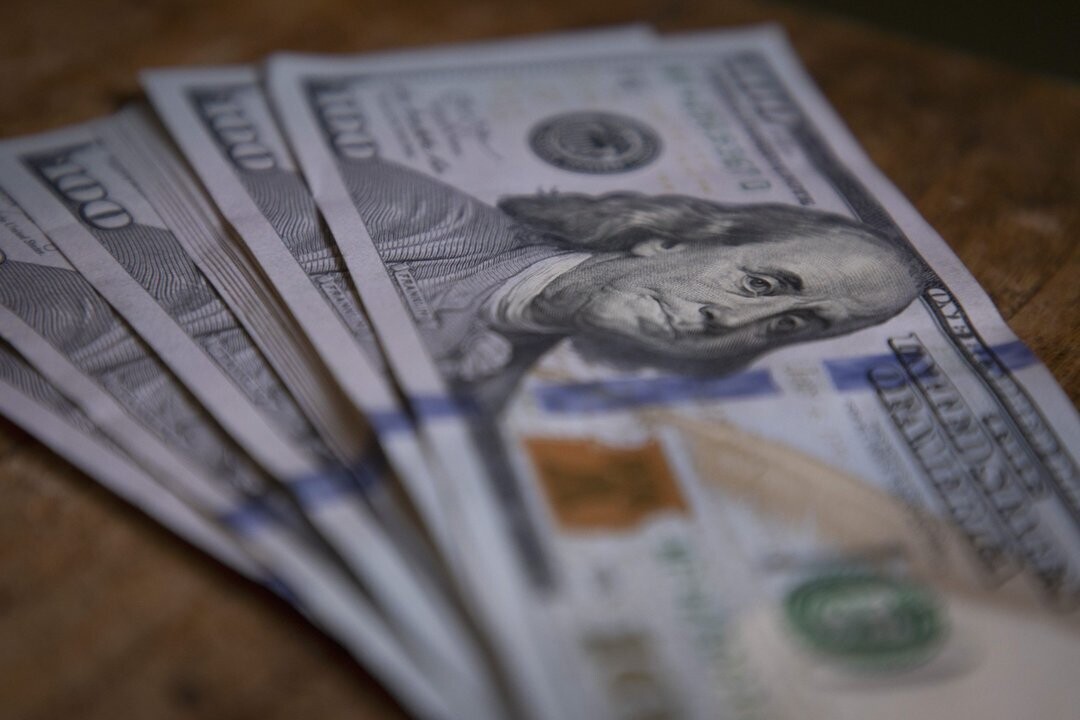
The second half of November begins for Argentina with economic expectations focused on how the market, the dollar, and interest rates will evolve following the recent trade agreement with the United States. Last week concluded with significant economic news, including a preliminary trade deal with the US, a warning from the International Monetary Fund about the importance of accumulating reserves, and the ratification of the exchange rate policy, with Minister Luis Caputo emphasizing the priority of adding foreign currency to the Central Bank. As the third week of the month begins, the focus will be on the market's interpretation of recent events, with expectations of learning more details about the 'Reciprocal Trade and Investment Agreement,' according to the Argentine News Agency. These days will also be crucial for closely monitoring the evolution of the dollar and interest rates, within a context of political consolidation following the ruling party's victory in the legislative elections. After the positive rally of recent weeks, analysts will be attentive to the evolution of parallel and official exchange rates, hoping that the exchange rate stability achieved in the last month is maintained and observing whether the government proceeds with dollar purchases. At the same time, the National Institute of Statistics and Censuses (INDEC) will release new economic indicators, including wholesale inflation and the construction cost on Tuesday, November 18, and the trade balance on Wednesday, November 19. All data corresponds to October. Meanwhile, Caputo will continue meetings focused on the implementation of the structural reforms that the government seeks to push forward after electoral support, related to fiscal and labor matters.