It is expected that the elimination of tariffs, combined with a reduction in other internal taxes, will lead to a significant decrease in the public sale price of mobile phones starting next year. Private sector estimates suggest a possible long-term price drop of between 30% and 40%. The gradual reduction process of import tariffs on mobile phones, culminating in their complete elimination by 2026, was anticipated by both importers and consumers. 'This gradual structure allows market players to adapt to the new conditions while generating strong expectations for the coming year,' comments Salomón. He adds that 'it is estimated that by 2026, mobile phone imports could double compared to 2025 figures, driven by the complete removal of these tariff barriers,' he concludes.
New Scenario This measure comes in a context of strong dynamism in foreign trade with China and opens a new scenario for the sector. During the first two months of this year, total imports from China grew by 73.5% year-on-year, reaching US$3.024 billion, according to INDEC data. Within this 'boom', the electronics sector, and particularly mobile phones and computers, registered a spectacular 152% increase. It totaled US$135 million in that period, a market behavior that laid the groundwork for subsequent tariff liberalization.
Sales Decline General sales fell to 6.7 million units in the official market—far from the historic 10 million—with a 30% contraction in the country. High-end devices diversified the players and bet on innovative formats like foldables to capture consumers willing to invest in cutting-edge technology. Motorola, which, according to IDC, closed 2024 with 38.5% of the total market—the company's highest market share globally—has high-end as its growth engine: between 10% and 14% of its smartphones are from the Razr and Edge families.
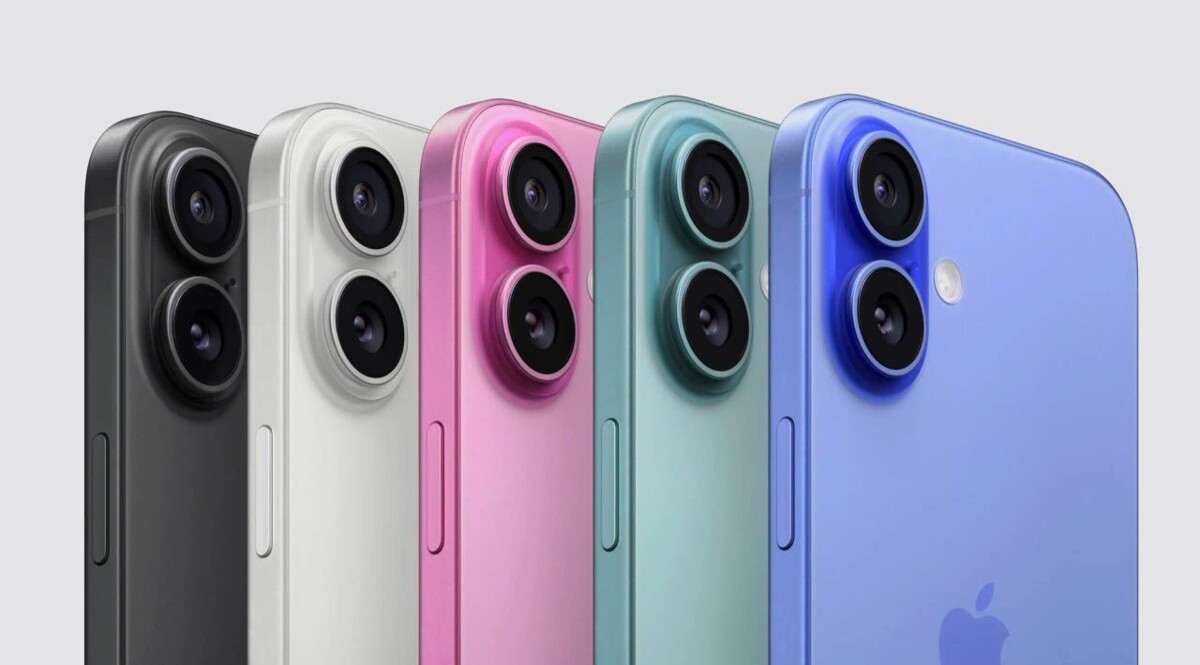
20 Fuegian Factories at Risk As the elimination of tariffs approaches, concern is growing among the more than 20 factories located in Tierra del Fuego, where all local mobile phone production is concentrated, due to the competitiveness problems that the measure entails. The province benefits from an industrial regime over 50 years old, which promoted population growth and employment in the country's southernmost region. What they propose, 'first, is to reduce the Argentine cost; on the side of lower internal prices, it is favorable, people will access more competitive prices. Regarding the reduction of mobile phone tariffs, they warn that it is very difficult for an industry to compete with imported phones that do not pay duties, which are 8% or 0%.' The Javier Milei government calculates that the prices of imported electronic products, such as high-end 5G mobile phones, could fall 30% once the tariff reductions that equate Argentina's values to those of Brazil and Chile, which are currently double, come into effect in mid-January. According to the pre-sale launched at the official MacStation store before the tax reduction, a 256GB iPhone 16 Pro Max is priced at $4,199,999 and a 512GB iPhone 16 Plus: $4,999,999, up to 24 installments without interest. Starting next January 15, they would have to drop by 19%, according to the general manager of the official distributor. Likewise, an imported Samsung Galaxy A35 5G would cost 40% less in the official store. Decree 333/2025, sanctioned in May, establishes the schedule for the reduction of the Extra-Zone Import Duty (DIE), which on January 15 will go from 8% to zero, and at the same time, internal taxes will be reduced from 19% to 9.5%, with which the final price could drop more than 30% in total. 'This new tariff policy seeks not only to make technology more accessible for work and education, but also to reduce smuggling and foster a more competitive and transparent market,' says Gabriel Salomón, commercial director of Jidoka, a logistics and foreign trade company.
What to do in this perspective for the next two months? • For the importer: Those companies that have merchandise arriving in the country in the last months of 2025, the smartest strategy would be to wait in a free zone. When nationalizing the products as of January 15, 2026, they can benefit from the total elimination of the tariff, which translates into a direct saving of 8% on the value of the product. • For the consumer: Patience will also be a virtue.