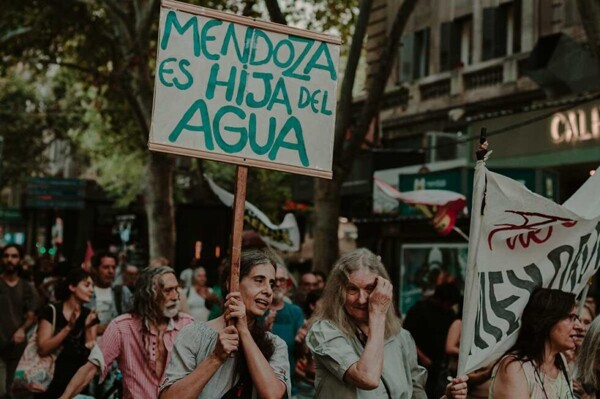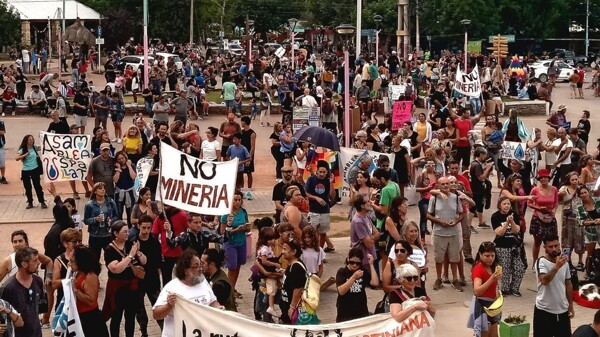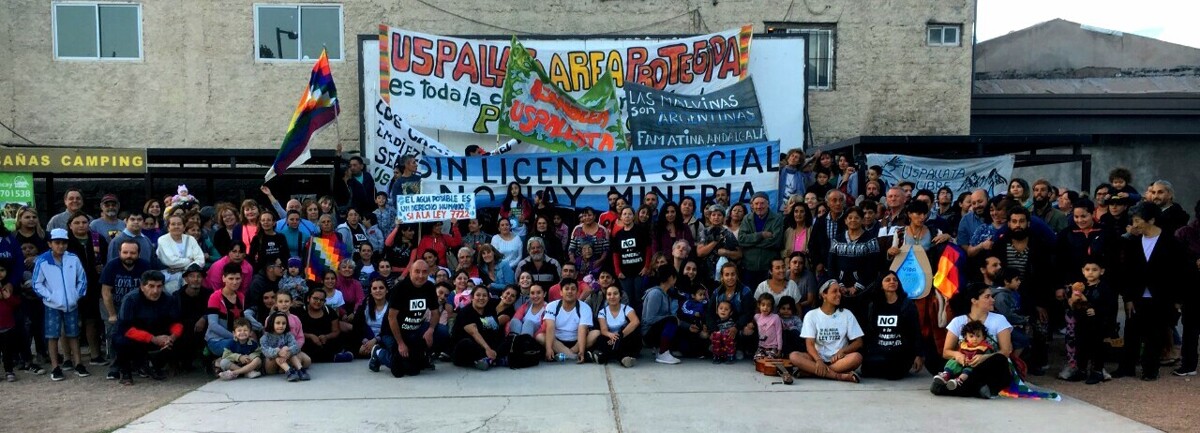
The indigenous communities of Uspallata and the Mendoza River Basin have submitted the final report of the Free, Prior, and Informed Consultation (FPIC) process for the 'PSJ Mendoza Copper' project. This process was carried out in accordance with ILO Convention 169 and Article 75, paragraph 17 of the National Constitution. The communities emphasize that the procedure was not free, prior, or informed. They accuse the government and the company of rushing the process, providing incomplete or false information, and submitting an Environmental Impact Statement before the consultation process was complete. The communities also report on repression, judicial persecution, and pressure against those who speak out in favor of environmental conservation. They reject the company's claims that the project is located in a closed basin without affecting aquifers and the Mendoza River, citing Dr. José María Cortés, who refutes these claims. They argue the project is incompatible with the Qhapaq Ñan Cultural Itinerary, as its scale will significantly impact the visual basin of the ancient Andean path, leading to the irreversible loss of the intangible cultural heritage that constitutes the pristine landscape experienced by their ancestors. The communities highlight that 17 years of struggle against mining have revealed collusion between the private interests of the company and public officials of the Mendoza government. They reject the false narrative of the company, endorsed by the government, regarding the supposed harmlessness of the toxic substances to be used in the mining process and the enormous amount of waste generated. The project also fails to address the social crisis in Uspallata caused by the project over 17 years, nor does it mention the high immigration rates to the area. In their arguments, they state the procedure was not free, as the company attempted to persuade them with supposed economic benefits, while the authorities rushed the timelines. It was not prior, as consultations only began after the Environmental Impact Assessment was already advanced. It was also not informed, as only a summary of the report was provided, lacking fundamental information necessary for analysis from their ancestral perspective. The communities also note that the project does not consider the potential increase in crime, human trafficking, gambling, and drug trafficking. They also point out a fusion of roles between the project proponent and the granting authority, leading to the use of anti-democratic practices such as persecution, censorship, repression, and imprisonment through fabricated cases. Consequently, and based on all the arguments presented, their Free, Prior, and Informed Consent to the 'PSJ Mendoza Copper' project is NEGATIVE. The communities call on the Government of Mendoza and the Provincial Legislature to reject the project and pass the law to create the Uspallata-Polvaredas Protected Natural Area. If their negative consent is not respected, they will take action through all administrative and judicial instances, both national and international, to enforce their legal and constitutional rights. They also reiterate the call for the Government of Mendoza to convene all indigenous communities to jointly develop a new FPIC protocol to replace the one approved by Resolution 130, which was created without indigenous participation.