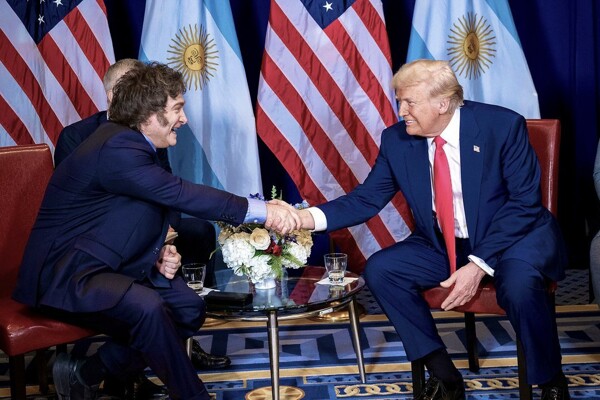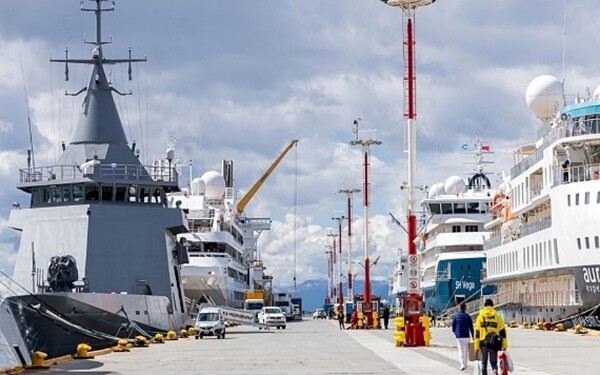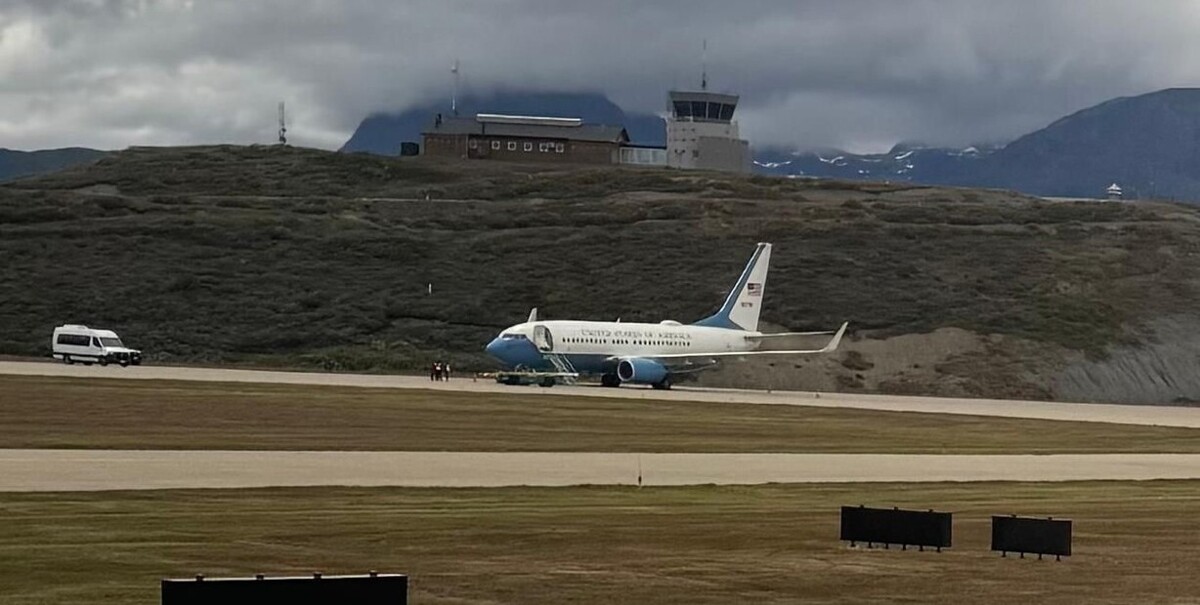
Buenos Aires, January 26, 2026 – Total News Agency (TNA) – The arrival in Ushuaia of a U.S. Air Force plane carrying a delegation of American congressmen sparked a strong political, media, and social media uproar in recent hours, in a context of high local sensitivity. The lack of clear and early communication allowed the episode to take on a dimension greater than the real one, in a scenario crossed by political distrust and ideological readings. Sources from the Ministry of Defense and diplomatic circles insisted that the visit of U.S. congressmen to Argentina is not an exceptional event and is repeated regularly under different administrations. Their presence attracted attention due to the military nature of the aircraft and the lack of prior official communication from the national government. According to diplomatic and Defense sources confirmed, a bipartisan delegation of members of the U.S. House of Representatives' Committee on Energy and Commerce was on board. The episode left evidence of how, in a context of internal polarization and federal tensions, routine administrative and diplomatic facts can become triggers for an overblown commotion, more linked to the local political situation than to the reality of the events. The Secretary of the Treasury, Scott Bessent, again praised the Argentine president and defined Argentina as a central actor in the United States' strategy in Latin America, which reinforced the political reading of the episode, even though the visit to Ushuaia had a technical and civilian character. Being a partner of Argentina also means being there when it needs us. The mission included meetings with officials and key actors to address issues related to the environment, regulatory permits, waste management, processing of critical minerals, public health research, and medical security. According to the U.S. Embassy in Argentina, the visit had no military component and did not contemplate the use of military facilities in Tierra del Fuego. In recent days, U.S. officials reiterated their political and financial support for the Milei government. It coincided with the recent intervention of the local port ordered by the national government, a measure that deepened the political confrontation between the libertarian administration and Governor Gustavo Melella. The use of an Air Force plane responded exclusively to security criteria for the transport of congressmen, a frequent practice in U.S. diplomacy. The episode, however, occurred at a particularly delicate moment for Ushuaia and the province of Tierra del Fuego. The visit is framed within the usual political and technical agenda between the two countries and is part of the strategic link that the Javier Milei administration maintains with the Donald Trump government. The landing of the U.S. military plane in Ushuaia ultimately responded to an institutional political mission of civilian congressmen and not to a military deployment or a covert strategic operation. They also emphasized that there is no permanent foreign military presence in Ushuaia or a current authorization for military operations in the area. The regional context also contributed to the debate. However, official and diplomatic sources agreed that it was a strictly civilian and political mission with no operational military component, and that the magnitude of the debate responded more to speculation and internal tensions than to concrete facts. The aircraft involved was a U.S. Air Force Boeing C-40 Clipper, a model habitually used for the secure transport of civilian authorities, legislators, and high-ranking officials. Faced with the fires in Patagonia, we responded to the request for assistance with fire management and communication teams to combat the fires and care for those who protect their communities. In the absence of immediate official information, local political sectors and Kirchnerist leaders disseminated images of the aircraft and fueled versions of supposed strategic concessions to Washington, potential covert military movements, or even maneuvers linked to geopolitical disputes with China. The flight departed from Andrews Base, near Washington, made technical stops, and arrived first at Aeroparque, then continued on to Ushuaia. It was also not a troop deployment or joint exercises. None of those hypotheses were supported by verifiable data. In the national government sphere, press inquiries were crossed between different agencies, with the Ministry of Foreign Affairs indicated as responsible for providing explanations.