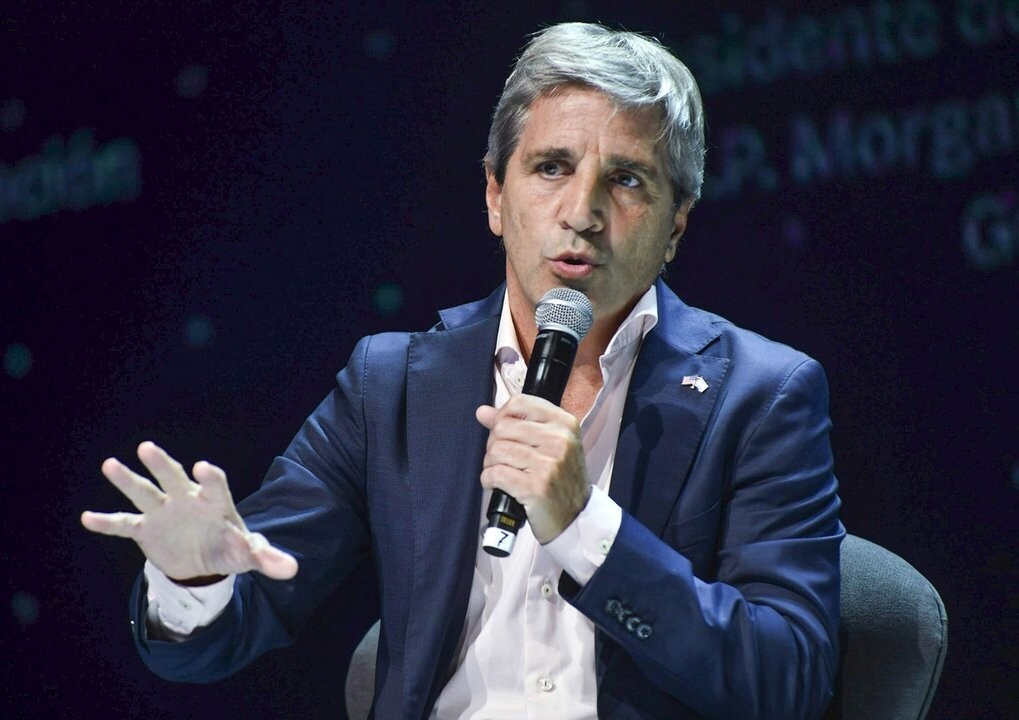
The municipality of Pilar, under Peronist control, decided to increase tax pressure at supermarket checkouts. This measure directly impacts the final bill and has sparked a fierce confrontation with Minister of Economy Luis Caputo. According to the Argentine News Agency, the Pilar municipality decided to increase tax pressure at supermarket checkouts. Tax advisor César Litvin stated, "whoever buys in Pilar will pay 2% more." Caputo's Political Confrontation The Minister of Economy used his social media to harshly criticize the measure and Mayor Federico Achával: "While we at LLA work to lower taxes and make our industry more competitive, Kirchnerist mayors raise them as if it's nothing. This is the Environmental Protection Tax, a 2% municipal tax that has been in effect since December 1st for large chains and affects the final price of products. They will never learn," Caputo commented on social media. And on top of that, they want to sell you that their model is one of development." The Industry's Rejection The United Supermarkets Association (ASU) requested an "urgent" meeting and warned of the "serious harm" that the application of the tax, which was officially established in Fiscal Ordinance 2026, will cause. Loss of Sales: The surcharge particularly impacts the sale of high-value items, such as appliances, and creates a "situation of unfair competitive disadvantage." Impact on Holidays: The surcharge is most sensitive during the peak shopping season for the holidays, when family consumption increases significantly. Unfair Competition: Tax advisor César Litvin warned La Nación that the regulation creates "unfair competition" against other commercial actors who sell similar products but are not obligated to collect the 2% tax. The sector requested that if the municipality maintains the measure, its entry into force be postponed until March 1, 2026, to allow for the adaptation of payment systems. Agency NAY concluded: "They don't care about the people."