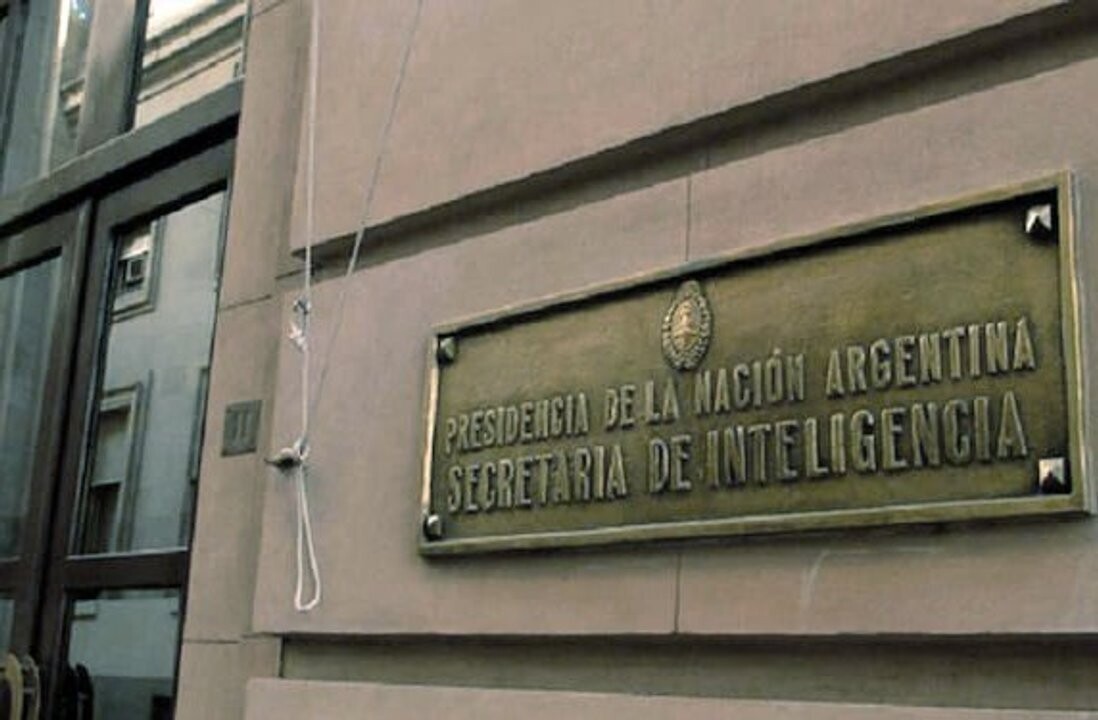
The government of Javier Milei has backed down from the most controversial aspects of the National Intelligence Plan (PIN) and quietly submitted a new version to Congress after strong criticism over the risk of internal espionage. The original PIN, 170 pages long and drafted under Sergio Neiffert's leadership at SIDE, authorized the monitoring of opponents, economists, social movements, and journalists accused of 'eroding' public trust, according to the text analyzed by the Bicameral Intelligence Commission. Following a critical report from the Bicameral Commission, SIDE removed or reformulated references to 'actors' that could affect the 'perception' and 'cognitive' processes of public opinion, including the use of new technologies and artificial intelligence. The information was reported by the newspaper La Nación. Sources familiar with the negotiations indicated that the corrections were sent after the October elections and before Neiffert's departure, in an attempt to clear up concerns about internal espionage and align the plan with the limits set by the national intelligence law, according to Noticias Argentinas agency. Meanwhile, alerts persist in Congress over decree 941/2025, with which Milei unilaterally expanded SIDE's powers to detain people without prior judicial control and conduct large-scale personal data cross-referencing, bypassing parliamentary debate. The legislative renewal left the Bicameral Commission in suspense, and the new version of the PIN has not yet received a definitive review, fueling the discussion over whether the more controversial text is still in effect or if the corrected plan, which the Executive branch considers operational, is already in force.