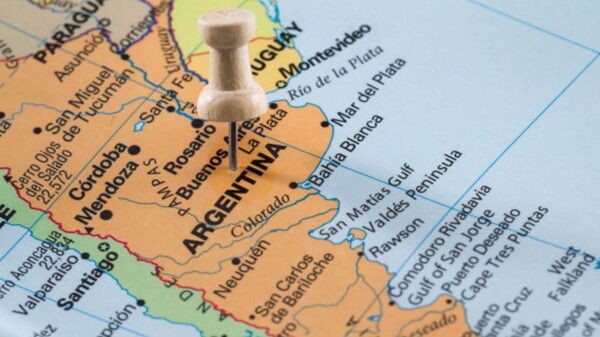
Argentina: Analysis of Money Supply and Inflation (June 2025 – January 2026)
In Argentina, the money supply did not grow at the rate of inflation. This is confirmed by data from official sources, including the Central Bank of Argentina (BCRA) and the National Institute of Statistics and Census (INDEC). Monetary policy during the period in question was restrictive, and at times, contractionary.
Examples of restrictive policy: • October-December 2025: Nominal money supply growth averaged 3.2% per month. However, when adjusted for seasonality and real GDP, the BCRA reported a contraction. • January 2026: The monetary base contracted by 2% compared to December, confirming the restrictive nature of the policy.
Monthly inflation for 2025-2026 was around 2-3% (Oct. 2025: ~2.5-2.8%, Dec. 2025: 2.8%, Jan-Feb. 2026: ~2.0-2.5%). This low inflation is explained by: • A sustained primary fiscal surplus (1.5% of GDP). • Anchoring through exchange rate bands (controlled float). • Low monetary issuance (ending the monetization of the deficit).
Therefore, there is no evidence of systematic issuance at the pace of inflation. The restrictive policy lowers inflation as a ceiling, not as a floor. This outcome is a result of fiscal and monetary discipline, not monetary expansion.
"It is worth noting that this is a major advance in the cultural battle, with the opposition, by its indirect criticism, implicitly recognizing that inflation is always a monetary phenomenon and not multi-causal."
Key recommendation: Maintain a fiscal surplus and continue to accumulate reserves for greater maneuverability in 2026 and 2027 (an election year).