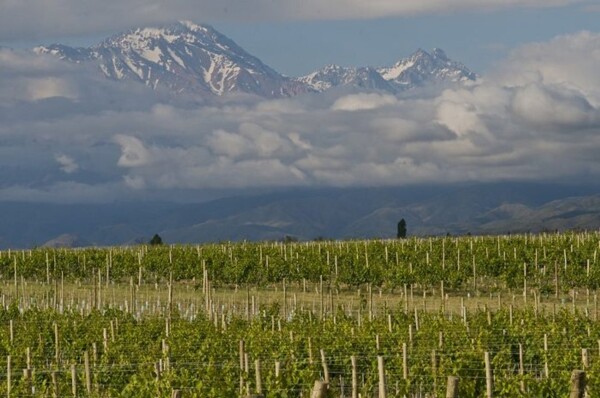
Mendoza, renowned for its wine and natural beauty, is facing significant economic challenges impacting its tourism sector. According to AEHGA president Edmundo 'Edy' Day, a strong storm and the overall economic climate have forced companies to become more efficient, such as by closing entire floors in hotels to reduce fixed costs. The sector remains standing but faces numerous challenges. The pandemic dealt a severe blow to the conference tourism segment, where Mendoza had been strong. While companies are returning, they are doing so in a different format with tighter budgets. A fundamental problem is that people in Argentina have low incomes, making domestic tourism more appealing. Economic changes have made Mendoza expensive for Argentines living in an impoverished country. However, Mendoza also caters to a premium segment that seeks value over price, such as award-winning wineries and Michelin-starred restaurants. This segment, occupying four and five-star hotels or luxury lodges, travels for the Mendoza brand, its wine, gastronomy, and adventure tourism. Despite the difficulties, Mendoza has an advantage as a beloved province. Yet, Day notes the government clearly prioritizes oil, gas, mining, and the automotive industry, while tourism, trade, and construction have been sidelined. Although the economic model was ratified in the elections, the situation remains complicated. Business owners must now focus internally, adding value to services (guest experience, electronic check-in, transfers) and strive harder to attract customers, as prices are likely to trend downward. A key strategic improvement would be to strengthen air connectivity between Santiago and Mendoza, as many international tourists face waits of up to eight hours. The industry has seen a reduction in employment, mainly of temporary and seasonal staff. There is also a skills gap, with a general lack of education in the country making hiring difficult. Despite the hardships, the sector has shown a great capacity for transformation. Mendoza has been put back on the map with the 'Manso' campaign, offering concrete and competitive prices. In conclusion, Mendoza has the 'raw materials'—its natural assets and culture—but this is not the best time for the sector. It's crucial to find internal solutions to weather the transition. The key is not to wait for a currency devaluation or subsidies but to work on improving efficiency and service quality.