The comparison was established for its symbolic weight: police chiefs were assaulted in broad daylight amid demands linked to the deterioration of real wages and the wear and tear of security work, in a country where crime and urban violence are at the center of the agenda.
In the Province of Buenos Aires, the climate became even more sensitive due to recent statements from the Buenos Aires Security Minister, Javier Alonso, who publicly admitted the salary deterioration and described a reality that, behind closed doors, is common knowledge: officers supplementing their income by working as app drivers and female police officers turning to content platforms to make extra money.
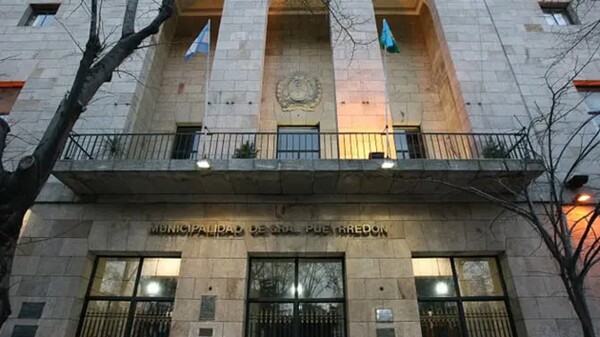
The crisis over wages and working conditions in the Buenos Aires Police escalated again this Monday in Mar del Plata, where the head of the Departmental, Cristian Fontana, was struck in the face during a protest led by officers' families, retirees, and self-convened neighbors demanding salary adjustments and improvements in IOMA benefits.
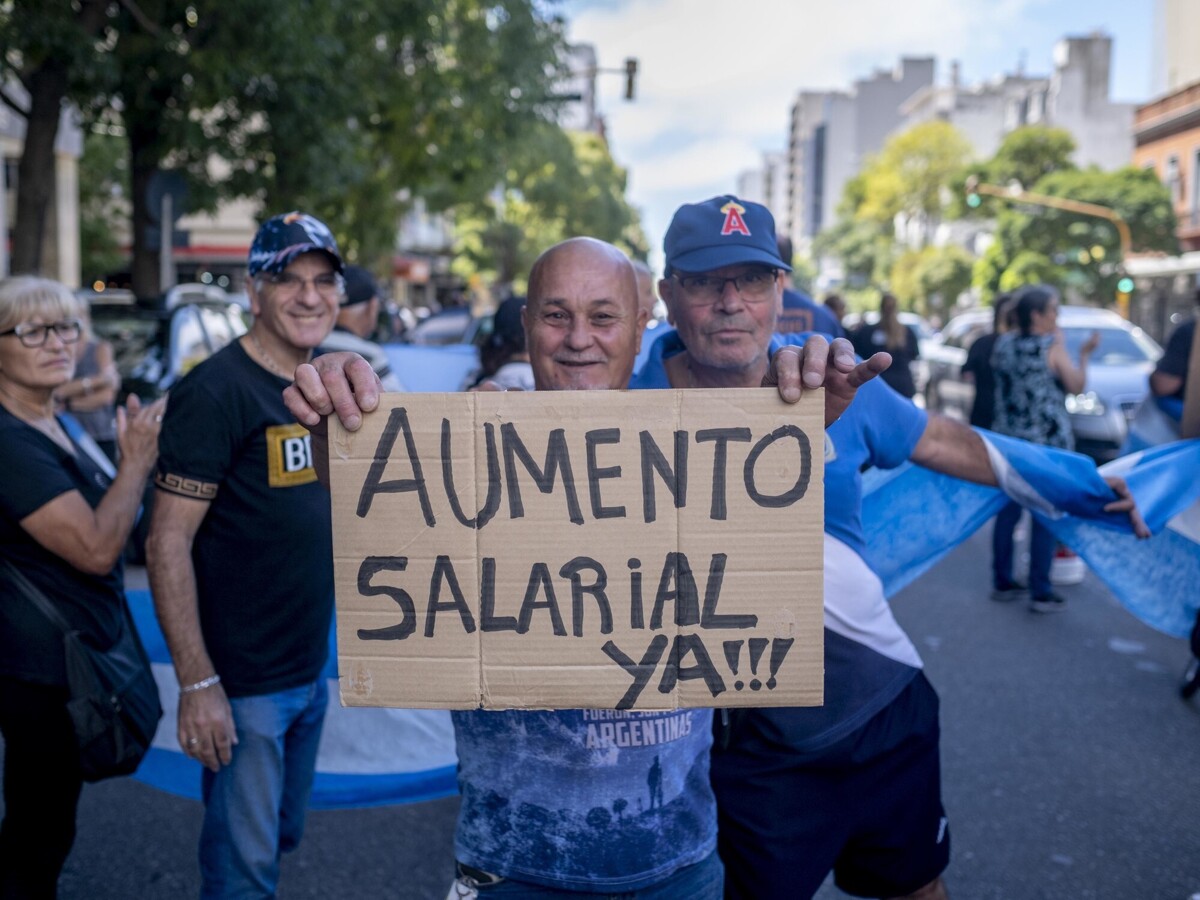
Argentine signs and flags accompanied a repeated demand in various Buenos Aires precincts: salaries that are not enough, poorly paid overtime, the deterioration of health coverage, and a widespread feeling of abandonment.
The immediate trigger was the demand for a salary increase for active and retired personnel, along with demands for medications and benefits from the provincial social security system, in a context of inflation that erodes purchasing power and deepens discontent in forces that, by regulation, have severe restrictions on unionizing or conducting formal strikes.
In this context, a group of precinct chiefs and authorities came out to dialogue. However, some versions collected by local media maintained that the incident occurred after shoving, when Fontana tried to clear the street and an elderly protester confronted him during the scuffle.
Regardless of the debate over how the blow landed, the incident became a symptom: the protest ceased to be a sectoral demand and began to show cracks in authority.
The focus is not solely on salaries: on the streets, demands for equipment, psychological support, addiction containment, and a healthcare system that, relatives report, no longer provides the necessary coverage are all mixed together.
The Mar del Plata incident also revived the recent precedent in Rosario, where last week the head of the Santa Fe Police, Luis Maldonado, was pushed and insulted on camera during a salary protest and ended up retreating under pressure from the demonstrators.
The episode, captured in a video that went viral on social media, exposed an internal climate of anger and burnout that the Province now describes without euphemisms: the situation is "on fire" and threatens to spiral out of political control, while Governor Axel Kicillof avoided making public statements about the background of the conflict.
The demonstration concentrated from mid-morning in front of the First Police Station, on Avenida Independencia, right in the city center. The images show the moment when a man carrying an Argentine flag advances and strikes him in the face.
Among them was Fontana, who approached the protesters with the intention of calming the tension.
In a scenario of social pressure and insecurity, official silence can become another fuel: when the police feel that their "blood dries up quickly" for the system, the risk is that the income crisis also transforms into a crisis of authority and governability.
Violence directed against a police chief reflects, according to sources in the security sphere, the degradation of the chain of command in scenarios of precariousness, overtime overload, and loss of purchasing power.
The phrase, which fell like a raw confession, further ignited indignation at the grassroots level: they say that political power "knows" how uniformed officers survive, but does not correct the underlying problem.
The conflict also builds on a structural political tension: the Buenos Aires government argues budgetary restrictions to improve the salaries of police, doctors, and teachers, while critical sectors question spending priorities and denounce that the "political industry" continues to be funded with advisors, structures, and funds that are not cut at the same speed.
The departmental head retreats, covering his face, while an officer confronts the aggressor, and the sequence cuts off in a few seconds.
This contrast fuels a resentment that is no longer expressed only in internal conversations but in street episodes.
At the time of this cable's closing, Kicillof had not issued a specific message about what happened in Mar del Plata or the salary background that triggered the protest.
Buenos Aires - February 16, 2026 - Total News Agency - TNA.