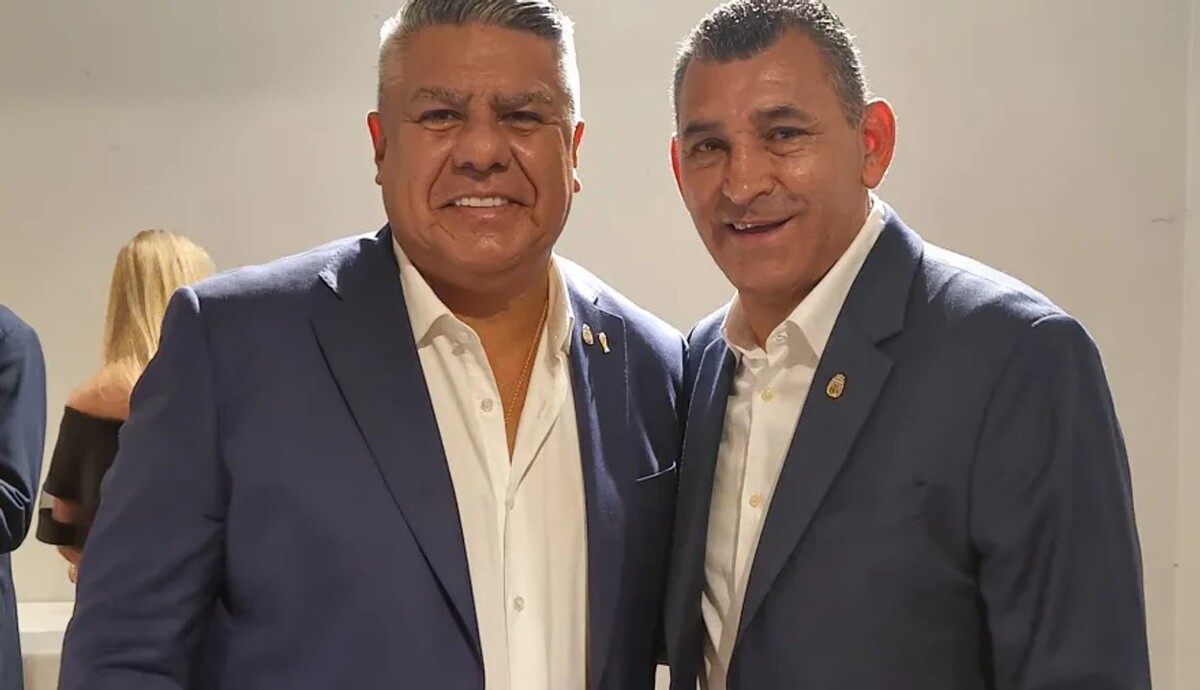
As a result of this meeting, the guarantee sought by Atlético Tucumán was secured: Fernando Espinoza will cease to lead the team for a time. Buenos Aires, February 24 (NA) -- Atlético Tucumán, in just a few days, orchestrated a political-institutional turn that clearly exposed the internal dynamics of Argentine football. The very club that had harshly criticized the Argentine Football Association (AFA) over Fernando Espinoza's refereeing ended up aligning itself with the leadership of Claudio Tapia in the midst of an institutional conflict, after receiving a favorable response to its main demand. The starting point was the 2-1 defeat against Instituto in Alta Córdoba, as reported by the Noticias Argentinas news agency. The penalty awarded, the final card count of seven to zero, and the refereeing perceived by the squad triggered a formal reaction from the 'Decano' (the club's nickname). The management issued a statement denouncing 'repeated refereeing actions that have systematically harmed the sporting interests' of the club and filed a complaint with the AFA to prevent Espinoza from refereeing their matches again. The response came quickly and through informal channels. Leito acknowledged a private meeting with Tapia and Toviggino. Pablo Toviggino, AFA's treasurer, used his social media to send a direct message to President Mario Leito, anticipating it would be 'interesting to hear him' at the Executive Committee and closing with a phrase that resonated as a political warning: 'Never forget: the one who asks the most... goes first.' Thus, Atlético found itself in an uncomfortable position, with recent precedents showing different outcomes for clubs that confronted the mother house: sporting sanctions, suspensions of leadership, or institutional setbacks. The complaint was also supported by the squad, as Lautaro Godoy spoke of a blow to weekly work, Leonel Di Plácido questioned the refereeing appointment, and Hugo Colace maintained a moderate tone, although the discomfort was already public. However, the scenario changed in less than 48 hours when the club confirmed its adherence to the Argentine football strike planned for March 5-8, a measure pushed by the AFA in support of its leaders investigated amid institutional tensions and open judicial cases. Demand met, relationship repaired. The contrast with the initial confrontational stance was evident. The explanation came from within the club.