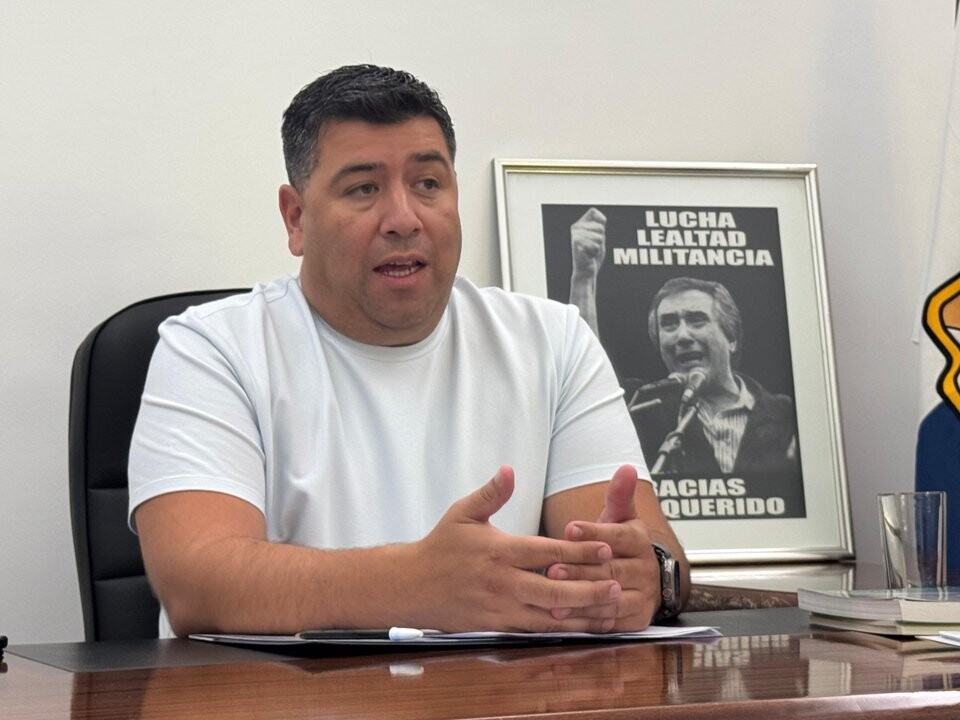
The general secretary of the Argentine Union of Glass Industry Employees and Related (SEIVARA) commented in a radio interview on the possibility of new measures of force. He noted that workers are not doing well, many jobs are being lost, and companies are closing. The social climate is heating up because people are not doing well. The co-head of the CGT, Cristian Jerónimo, confirmed that the labor center will march on April 30th to Plaza de Mayo on the eve of Labor Day, and stated that "nothing" is ruled out regarding future measures to express union discontent with the policies of President Javier Milei's government. "We have to make ourselves heard and show the discontent that exists in society with this political and economic process," insisted Jerónimo. Regarding the government, he said there is "no dialogue" and that "if this is the direction, we do not agree," while emphasizing that "there is no salary that is enough, the cost of living is very high, and the indebtedness of families is terrible." As for the labor reform, the leader highlighted the judicial progress driven by the CGT. "We had a favorable ruling in the labor court that rejected 82 articles that were totally unconstitutional," he stated, while pointing out that the regulation "tramples on the collective and individual rights of workers." Likewise, he warned about the impact of economic policies on the productive apparatus and said that the loss of workers' purchasing power is around "between 26 and 30 percent," according to estimates from economic advisors linked to the sector. Jerónimo also alerted to the situation of the health system: "Social security funds can no longer cover more benefits," and demanded urgent measures in the face of what he defined as a "defunding" of the sector.