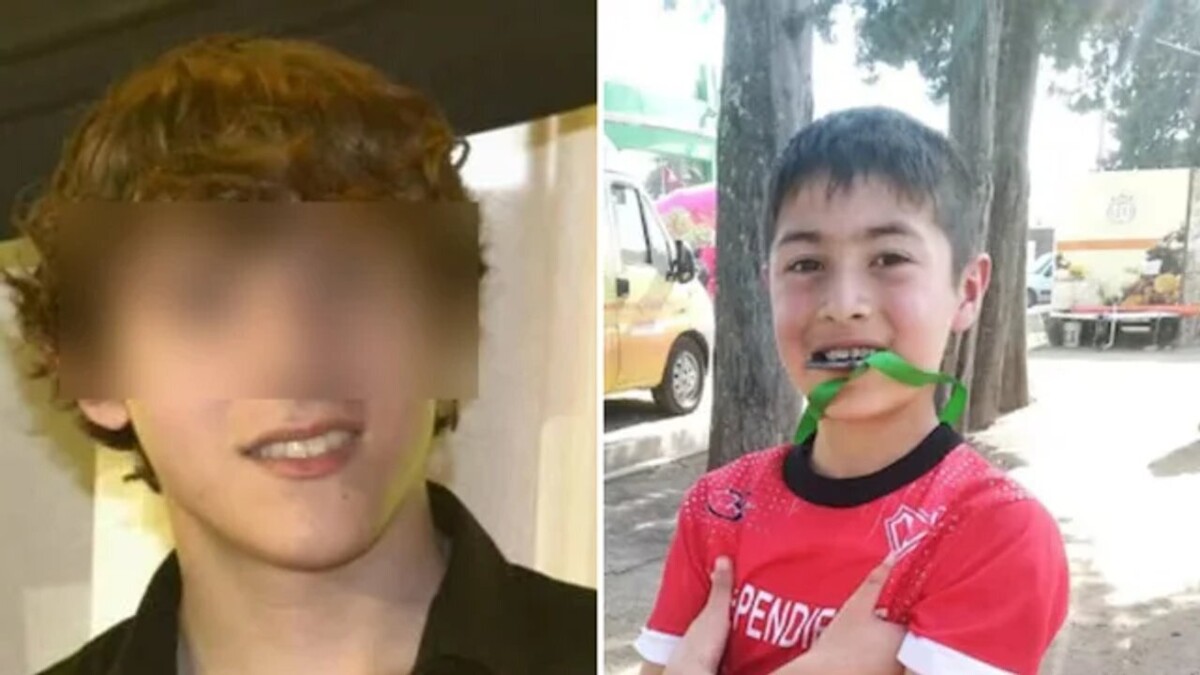
In Argentina, seven similar cases have been registered. The exposure occurs through documentaries, audiovisual compilations, analysis of crimes or famous shootings, and stylized representations of attacks that are presented as news material. This material, in turn, is consolidated on various platforms, forming a community that generates increasingly intense interactions. When this happens, the content is transferred to digital environments with little moderation, semi-closed or private channels, such as instant messaging services or restricted groups (Telegram), where more explicit discussions about attacks develop and more extreme and explicit material is shared. The analyzed and glorified attacks, memes, and shared symbolism become cult material for the members, who use it as a source of inspiration and move on to planning an attack by emulating a previous one. This analysis does not imply that the simple consumption of a podcast or content encourages the commission of a crime, but that the stage of radicalization, in which one seeks to protagonize violent action, arrives in a third instance, within radicalized communities where the material exchanged is extremely violent, attacks are celebrated and even encouraged to commit others, or users are 'pressured' to take action. The last level, a fourth instance, is made up of a small minority that plans attacks, publishes manifestos explaining the motives of the attack, and tries to leave a mark on the community. Members of these groups are usually between the ages of 13 and 20. Additionally, in many cases, there is a history of social isolation, victimization experiences, or notable difficulties integrating into their environment. Among the main characteristics, cases of misanthropy were found, commonly reflected in a deep hatred for humanity and society, mental health problems such as depression, low self-esteem, and suicidal ideation, and personal grievances such as bullying and family conflicts, as well as connections with extremist communities like neo-Nazism, accelerationism, and violent memes. The report indicates that indicators that do not imply an immediate risk but can help identify those immersed in intensive consumption of 'True Crime' content focused on perpetrators, obsessive following of school shootings or serial killers, and collection of material on attacks. Furthermore, these profiles often show interest in detailed chronological reconstructions of attacks and participating in hashtags or tags linked to shooters. However, there are characteristics that do imply a psychological link with violence narratives, such as positive references to authors of homicides or mass attacks, and the use of an admiration language like 'legend,' 'icon,' and 'hero.' These strong links are demonstrated by narrative reinterpretations of the attackers that present them as victims or martyrs, tributes or compilations that synthesize the attacks, profiles inspired by perpetrators, and the reproduction of phrases or quotes attributed to attackers. Indicators of community membership relate to participation in forums or TCC channels, the use of internal language or specific memes, the circulation of iconic attack images, the exchange of gore material or attack files, and interaction with other users who glorify violence. Finally, the signals of escalation to violence that require intervention refer to explicit fantasies of perpetrating an attack, comments on the notoriety acquired by a person post-attack, references to 'surpassing' previous perpetrators, interest in weapons or tactics, and farewell messages or digital wills. Following the shooting at a school in Santa Fe, which resulted in the death of a 13-year-old, a detailed study revealed that a genre linked to the study of real crimes is behind many of the mass murders. As reported by Noticias Argentina agency and as indicated in the joint communiqué from the Public Prosecutor's Office and the Secretariat for Comprehensive Analysis of International Terrorism, it is about the 'True crime community' or 'Comunidad del crimen real' in its Spanish translation. It is a phenomenon made up of a digital community whose members are characterized by dedicating themselves to the research, fascination, and in some cases, the emulation of perpetrators of mass homicides. Although this definition has been taken as a genre that revolves around the cinematic or literary sphere, a subculture has emerged integrated by digital communities that admire the perpetrators of attacks as admirable or heroic figures. These facts take advantage of the circulation of audiovisual material, which makes an attack more 'attractive' and ends up 'glorifying' the attack; even, they take the fact as an inspiration to perpetrate new crimes.