In a context of profound political and economic reconfiguration in the Southern Cone, the voice of the Argentine Catholic Church emerges as a critical barometer of territorial reality.
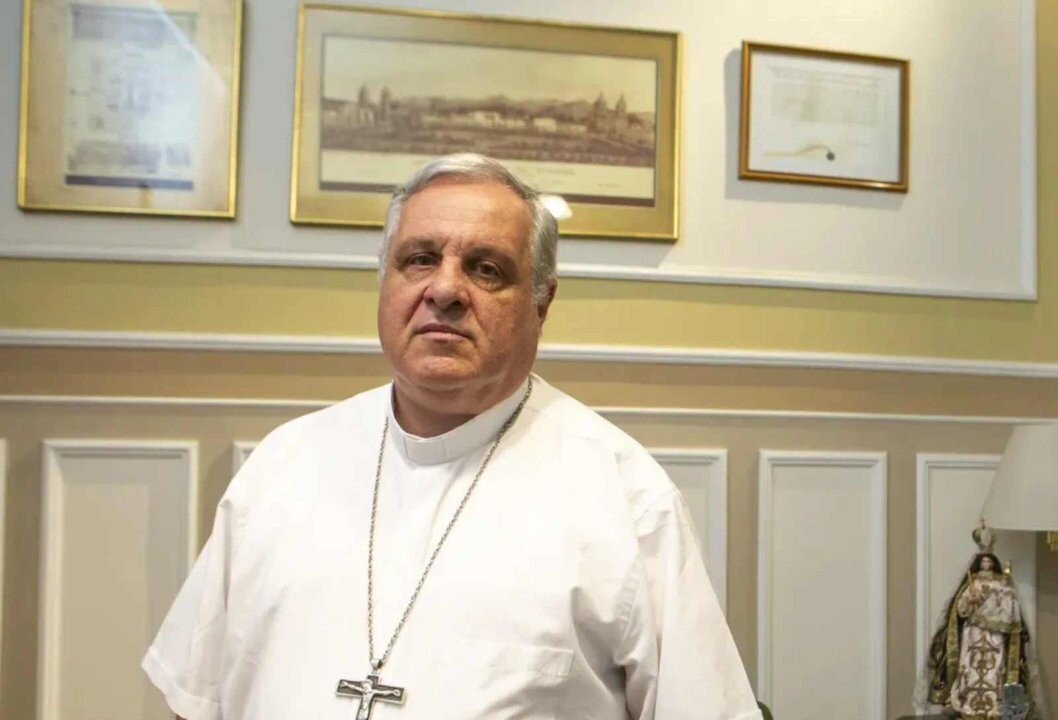
Marcelo Colombo, Archbishop of Mendoza and President of the Argentine Episcopal Conference (CEA), outlined a detailed analysis of the state of social vulnerability, relations with political power, and the transformative legacy of a pontificate that, in his words, has managed to "bring the word down to earth".
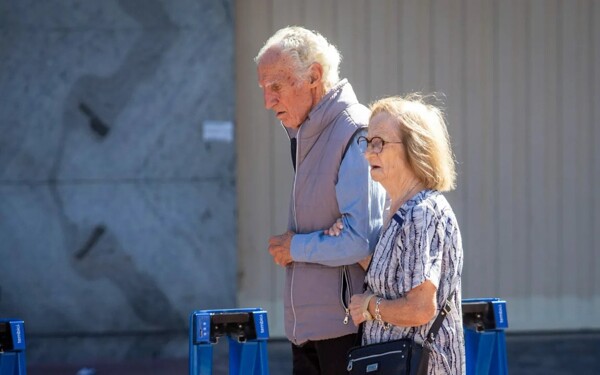
In an interview with the program "No la Vimos Venir" on Eco Medios, combining social doctrine with pragmatic observation of public administration, Colombo warned of a deterioration that "no longer only affects historically marginalized sectors, but has begun to erode the stability of the middle class and specific groups such as retirees and people with disabilities".
The "capillarity" of the Church, exercised mainly through Caritas, "allows for real-time data on the situation of Argentine households," notes Monsignor Colombo and points to a deepening of needs that "transcends the traditional margins of poverty".
According to the priest, a worsening in the quality of life of strata that previously enjoyed stability is observed, there is a latent concern about the world of disability, where delays in the payment of contributions and institutional support are reported, and in this framework, the prelate highlights the credibility of Caritas as an institution with clear accountability, capable of reaching where the State sometimes finds bureaucratic limitations.
Colombo's analysis also delves into political management, highlighting "the contrast between provincial administrations and the National Government." After a meeting with Buenos Aires Governor Axel Kicillof, the Archbishop highlighted the figure of a leader "focused on management," but conditioned by the impact of national policies on local resources.
At the national level, Colombo noted a significant shift in relations with the Executive Branch, following a restoration of dialogue "after a prolonged period without clear national references for the Church." The President of the CEA praised "the level of dialogue" achieved with the Minister of Foreign Affairs, Pablo Quirno.
In this sense, he recognized the figure of the Chancellor not only as head of Foreign Affairs and Worship, but as a fundamental piece in the economic and international trade scheme, which gives communication a decisive weight in decision-making.
However, the distinction of Francis lies, according to the Archbishop, in his ability to reinterpret the figure of Christ from a philosophical and human dimension.
"For the leadership of the Argentine Church, the message of Francis has consisted in removing Jesus exclusively from the solemnity of the cross to present him as a revolutionary who confronted the structures of his time to impose the mandate of love and equality," he reflected.
And he concluded by indicating that this vision of an "engaged Church" that attends to both "the cry of the earth" and "the cry of the poor" constitutes the backbone of Colombo's management at the head of the Episcopal Conference in this complex year 2026.