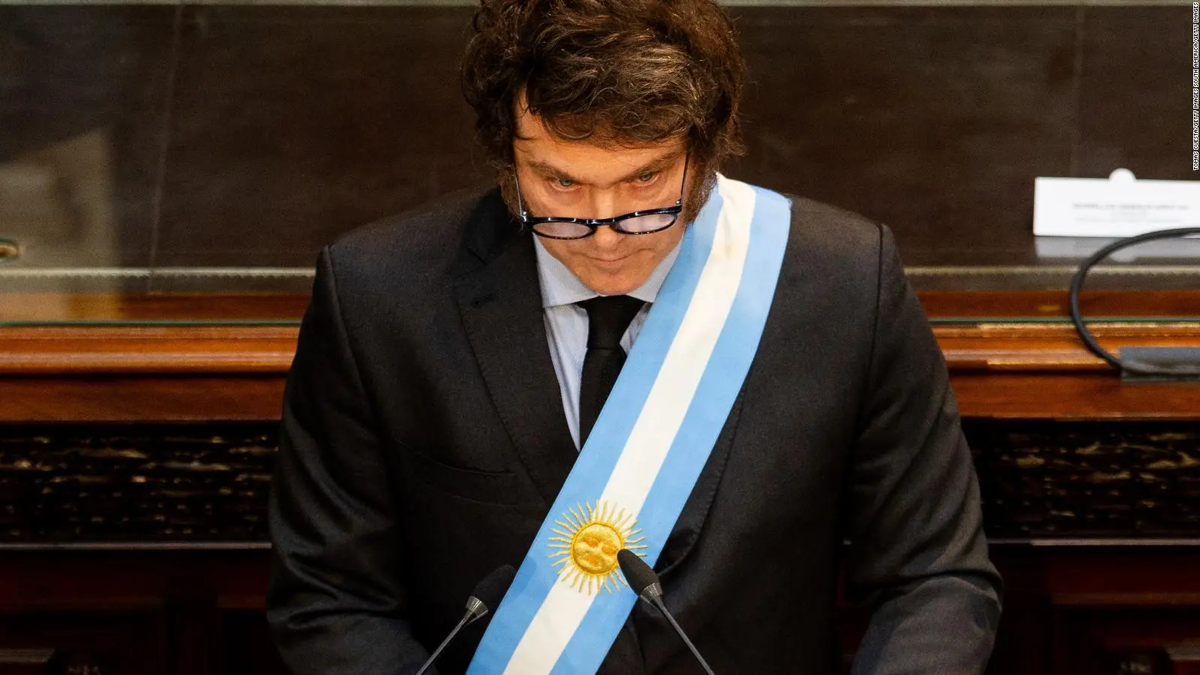
Buenos Aires, March 1, 2026 - At prime time, 9:00 PM, before the National Assembly, President Javier Milei will open the ordinary sessions of Congress with a speech that in the Casa Rosada is defined as his most important political piece of the year. Close to the President, they state that the 'cultural battle' has become central to his strategy, and from that narrative, Milei will try to present the reforms as a point of no return against what he calls 'the party of the state.' The logic is clear: today they accompany, tomorrow they can condition. Against this backdrop, the President will attempt to combine epic and pragmatism: reaffirm convictions without dynamiting bridges. In February, he managed to approve initiatives with a strong reformist character and left the discussion on glaciers on track. The allied blocs could become tougher as provincial elections approach, local realignments intensify, and each leader begins to take care of their own front. The government wants to send signals of firmness to investors in a week that promises volatility due to the global impact of the conflict in the Middle East following attacks by the United States and Israel on Iran, an external factor that once again tensions the perception of risk in emerging markets. As is usual before these speeches, versions of 'surprise' announcements are circulating in the ruling party, although no one near the podium confirms them. To reinforce his reading of the 'sense of the era,' Milei plans to use examples that connect with his usual speech against privileges. The message to the allies will be central, although not always explicit: 'without them, the reforms do not pass,' recognize those close to him, and for this reason, Milei will seek to 'sell commitment' in addition to the future. In the Senate, moreover, the ruling party notes that key allies do not vote 'completely': they point to more selective behavior by figures such as Alejandra Vigo, Carolina Moisés, the Radical Civic Union (UCR), and PRO, and warn that these links are, by definition, circumstantial. However, public enthusiasm coexists with a more prudent diagnosis in private: several operators admit that repeating, project by project, the level of concessions and corrections that labor modernization required could make the legislative year 'muddy.' The main fear is temporary: in the government, they believe that by the second semester, the incentives to collaborate will decrease. In the lead-up, there was also logistical attention due to the aerocommercial situation: while some warned about possible absences due to union actions, in the last hours it was reported that actions that could affect flights were lifted, which partially eased the travel landscape from the provinces. In summary, Milei arrives at his most political night with a double objective: to set the course of reforms and sustain the parliamentary coalition that made it possible. The Ministry of the Interior (Ministerio del Interior) anticipated that it will not attend due to recent disagreements. The call was managed by Gabriel Bornoroni, head of the La Libertad Avanza bloc in Deputies, and includes PRO referents such as Cristian Ritondo and legislators from the UCR, among other spaces. The obsession with message control will also extend to the broadcast: sources aware of the operation anticipate a production focused almost exclusively on Milei, with few pans of the chamber and minimal exposure of the opposition.