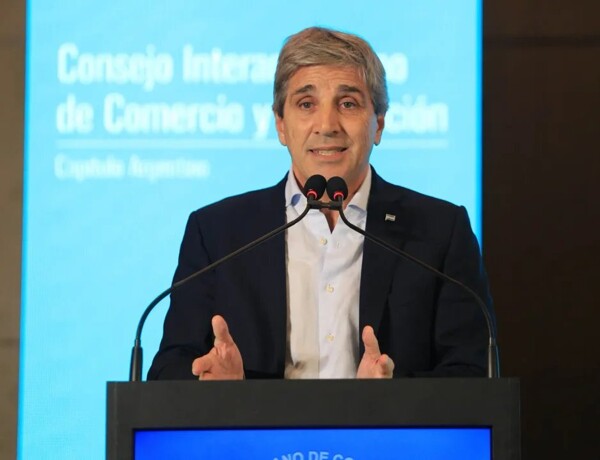
In Argentina, negotiations are underway to allow only small and medium-sized enterprises (SMEs) to use this system, and not large corporations, to be able to pay indemnities, according to the Argentine News Agency (NA). The government's argument is that the pension system is maintained mainly with the contribution of general revenue and to a lesser extent with employer contributions. For this reason, the ruling coalition is analyzing options to compensate the provinces, as sources specified to the Argentine News Agency. Allied governors want to compensate for the reduction in their coffers due to the cut in corporate income tax (from 35% to 31.5%), as they claim that this reduction will cost them 3 trillion pesos. Economy Minister Luis Caputo defended the corporate income tax cut on Monday as an incentive to generate employment and stated in radio statements that this reduction will only take effect in 2027 and will have a fiscal impact of 1.5 trillion pesos. This chapter is what is most straining negotiations, as there is not only a proposal to cut corporate income tax but also a reduction in employer contributions that impacts the pension system and internal taxes on automobiles, boats, aircraft, and luxury goods.
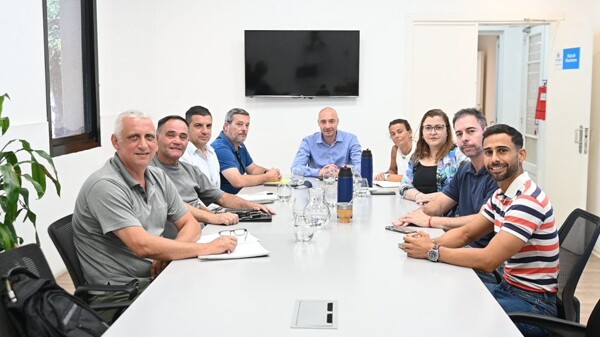
Another point of controversy is the creation of the Labor Assistance Fund, through which companies will contribute 3% of the employer contributions that must go to ANSES to cover layoffs. Buenos Aires, February 2 (NA) -- La Libertad Avanza will seek this Tuesday to overcome the differences it maintains with the dialogist blocs of the Senate, which are centered on the reduction of the Income Tax, the creation of the Labor Assistance Fund to cover indemnities, and the validity of the ultra-activity of collective labor agreements, through a meeting that will take place at 3 PM. The head of the ruling coalition's Senate bloc, Patricia Bullrich, will hold a meeting at 3 PM with the 'group of 44,' which is the new majority that was built and that allowed the budget to be passed, to weave the agreements to approve this reform on February 11. During the meeting to be held at 3 PM in the offices of the radical bloc, Bullrich will bring the government's responses to the requests of the dialogist blocs, which in many cases were made by the governors themselves, especially those related to the fiscal chapter.
The vote count. The ruling coalition already has the votes secured for general approval but needs to guarantee support for each of the articles of the law, and especially for those that are the heart of the reform promoted by President Javier Milei, which aims to generate registered employment. Negotiations are taking place simultaneously with the dialogue that Minister of the Interior Diego Santilli is maintaining with the governors who reject the tax cuts that affect their finances. Parliamentary sources told the Argentine News Agency that Bullrich is determined to negotiate changes until the last minute before the vote, but she wants to have the votes secured so that 'no central article of the law falls through.'