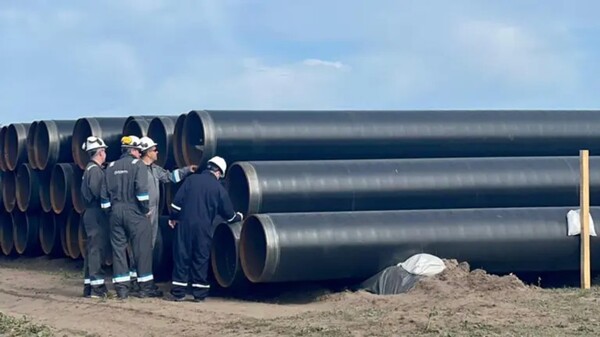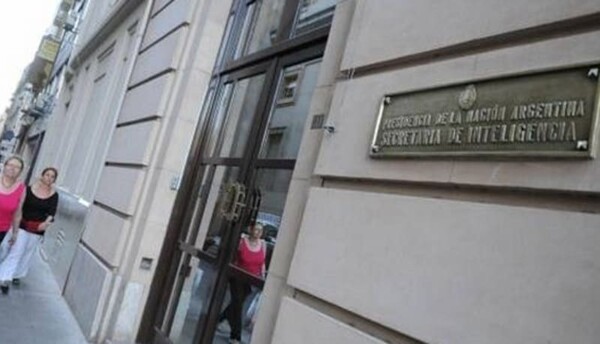
Demian Reidel, president of Nucleoeléctrica Argentina S.A., is facing an escalation of internal and judicial complaints over alleged irregularities in contracting processes, with a focus on a tender for cleaning services at the Atucha nuclear plants. It is alleged that the tender involved an estimated price increase of over 140% compared to the current contract and historical service values. Reidel, an economist and physicist with a past at the Central Bank during Federico Sturzenegger's administration, has established himself as one of President Javier Milei's closest economic advisors, according to the Argentine News Agency. Within the libertarian sphere, he is considered a high-profile official with strong technical and ideological influence, directly affecting strategic state areas, including the energy and nuclear sectors. He is known as 'Satan,' but no one knows the reason for this nickname in the libertarian community. The complaint that triggered the conflict arose from a tender for cleaning services in sensitive areas of Atucha I and II plants, a critical service due to the radiological risk zones. According to information published by Perfil, the process included changes in admissibility requirements, shortened deadlines, and technical criteria that drastically reduced competition. Of a total of nine bidding companies, only two passed the initial technical analysis: LX Argentina and La Mantovana Servicios Generales. Days later, and without being technically evaluated by the requesting area, Limpiolux was incorporated into the economic stage, a point that generated strong internal questioning for affecting traceability and due administrative process. The three firms presented offers much higher than current values, but LX Argentina's was the lowest within that group, positioning it as the potential awardee. The internal complaint indicates that the price offered by that company exceeded the cost of the contract in execution by at least 140%, which would have generated a significant economic loss for the state-owned company. The plant manager of Atucha I-II, Juan Pablo Nolasco Sáenz, filed a presentation with the Integrity Committee in which he warned about internal pressures, attempts to reformulate already issued technical reports, and requests to 'justify' more expensive offers economically. According to that document, there were also interventions from areas without direct technical competence and repeated calls marked as urgent. After the content of the complaint became known, the Nucleoeléctrica board resolved to halt the tender and remove from their duties the general manager Marcelo Famá and the Administrative Coordination manager Hernán Pantuso, both appointed by Reidel and considered his trusted men. Reidel's public silence in the face of the criticisms reinforces the internal tension and keeps a conflict open, which, far from closing, adds new chapters. Before the conflict became public, the company Distribución SRL had already resorted to Federal Justice to challenge another NASA cleaning tender for alleged steering, questioning requirements it considered arbitrary and impossible-to-meet deadlines for high technical complexity services. In this context, the complaints about overpricing and steering have put the purchasing and contracting scheme of a strategic company under scrutiny, at a time when the government is promoting the privatization of part of Nucleoeléctrica's capital. The decision exposed a strong internal conflict in the company's leadership. This case is not isolated.