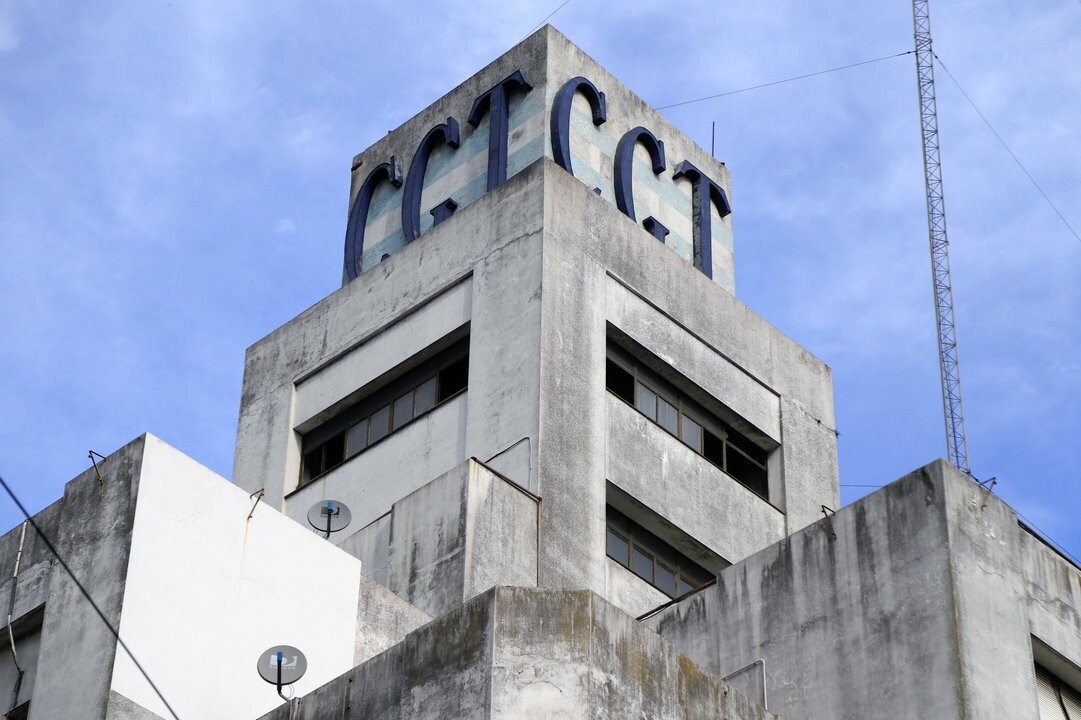
The Government offers money to governors to pass the labor reform. Buenos Aires, January 17 (NA) – A group of unions from the CGT proposed to the leadership of the central labor body to deploy an economic-oriented strategy for the dialogue that the unionists will begin with the governors to block the labor reform project that the Government wants to approve in Congress, although the initiative was dismissed by the leadership. Strictly speaking, this small group of unions asked the leadership to 'play hard on the economic field, which is the plane on which this discussion is being fought' over the 'labor modernization' that the central labor body rejects in most of its sections. The thing is, there are many divisions, some unions have money, others are not in a good economic situation and do not want to put anything in,' commented a CGT leader who participated in those private conversations to the Argentine News Agency. The same source was critical of the actions taken so far by the new authorities of the organization on Azopardoy street and pointed against the mobilization and rally in Plaza de Mayo that was organized last month to repudiate the government's project of Javier Milei. 'Do you know how much it costs to make that march and the rally? Just filling those giant balloons with union logos costs a fortune. If we play under those conditions, we would have to talk to them in the same language. Not to mention the stage setup and the buses. With what all that cost, we could already have two governors on our side,' calculated the consulted leader without mincing words. Like the Minister of the Interior, Diego Santilli, who is leading a round of meetings with governors to secure support, the CGT will activate next week visits to provincial leaders. But the central labor body will do so with the opposite objective: to convince them of the harmfulness of the measure and not to endorse it, or at least to encourage them to push for changes in most of the articles that do not favor the unionists. The CGT aims to mitigate the impact of certain points, such as the expansion of activities considered 'essential,' which would guarantee minimum services during strikes; company-level agreements that would leave sectoral agreements in the background; changes in the solidarity quota contributed by non-union workers, and the Labor Allocation Fund (FAL) to replace the current compensation system. But well, they told us no.