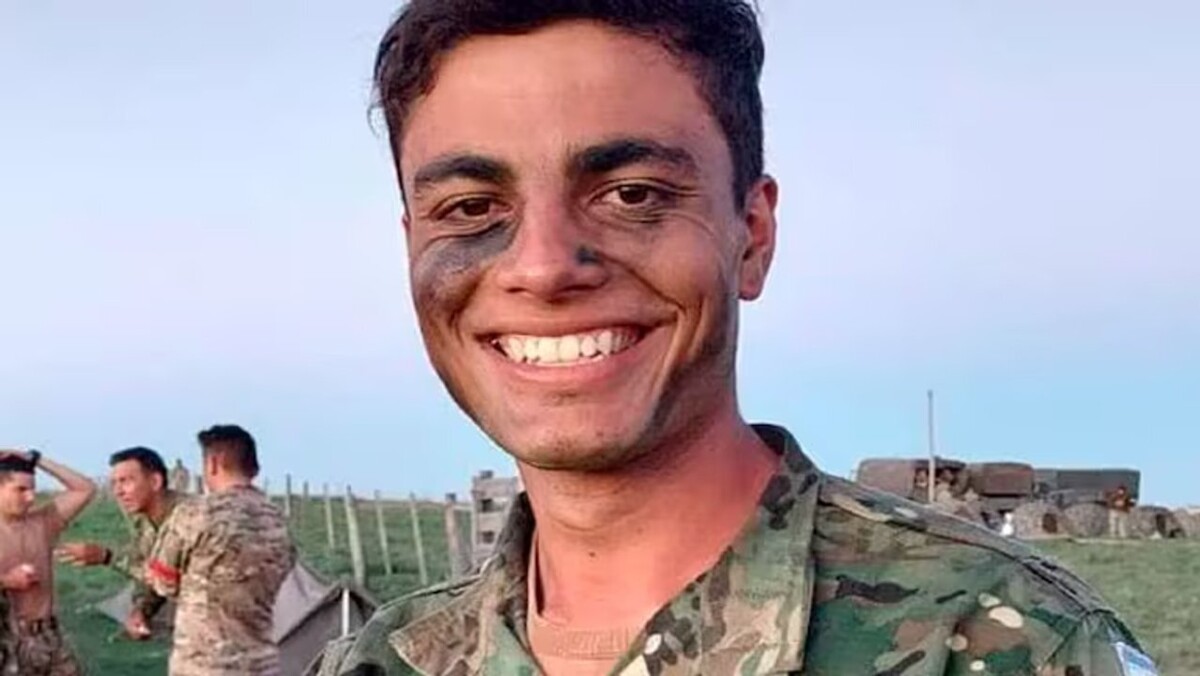
Buenos Aires, December 19 (NA) – The case regarding the death of soldier Matías Ezequiel Chirino, who died in June 2022 after a hazing ritual, has taken a turn after the Federal Chamber of Criminal Cassation reduced the sentences of six convicted military personnel and confirmed the acquittal of two of the accused. Judges Carlos Mahiques and Mariano Borinsky issued a split ruling, determining that it was not a simple homicide as the prosecution and civil parties had argued, but rather a case of abandonment of person followed by death and abuse of authority. In November 2024, former Captains Rubén Darío Ruiz and Hugo Reclus Martínez Tarraga; former Lieutenants Dari Emmanuel Martínez and Exequiel Emmanuel Aguilar; along with former Lieutenant Facundo Luis Acosta and former Captain Claudio Andrés Luna were sentenced to eight years in prison. However, the III Chamber of Cassation resolved to reduce those sentences. Acosta and Luna to seven and a half years in prison, while Ruiz and Martínez Tarraga to seven years. Martínez and Aguilar were sentenced to six years in prison, while Gerardo Sebastián Bautista, one of the military personnel who had been acquitted, was sentenced to six years and six months in prison. Regarding the situation of Lieutenant Franco Damián Grupico and Lieutenant Claudia Daniela Cayata, it was confirmed that both will remain acquitted as ruled in the trial, according to the Argentine News Agency. Cassation stated in its 200-page document that it was a 'cruel 'baptism'' that was attempted to be covered up as an informal dinner, in which the officers forced the incoming sub-lieutenants to consume alcohol to an extreme state of drunkenness: 'The main activity was to mistreat, humiliate and demean the new sub-lieutenants, putting their health at risk'.