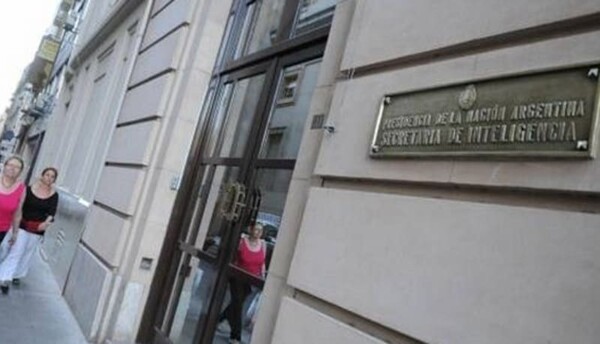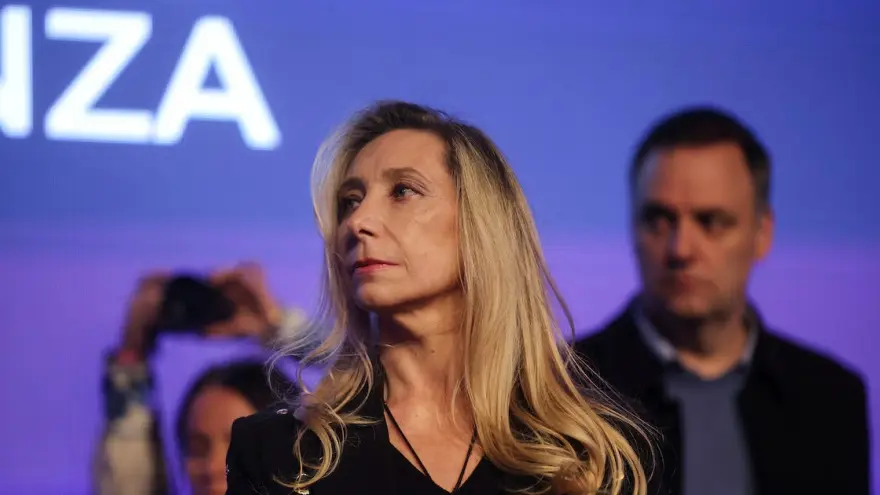
Buenos Aires, November 18, 2025 - Total News Agency (TNA) - Less than three weeks after the legislative elections that consolidated the libertarian advance in Congress, the Casa Rosada has undergone a profound internal reconfiguration that positions the Secretary-General of the Presidency, Karina Milei, as the central figure in a new power map.
The Government is accelerating, aware that provincial support is its Achilles' heel to shield its agenda in a fragmented Congress. This dynamic, which quickly took shape after the October 26th victory, is evident in the hyperactivity of two key offices: Adorni's on the ground floor and "Lule" Menem's on the first floor.
Karina Milei, campaign chief and architect of the strategy that avoided defeats in key provinces, met with elected legislators on November 4th to detail executive objectives. President Javier Milei, who chaired the first expanded cabinet meeting on November 3rd, called for progress on the Budget and reforms but delegated execution to his sister.
While Caputo focuses on the cultural battle—with rumors of his ambition to run for vice president in 2027—the Karina-Adorni-Santilli-Menem axis prioritizes federal dialogue. These meetings are part of a federal offensive that, in just ten days, has involved more than a dozen governors, including Ignacio Torres (Chubut), Raúl Jalil (Catamarca), Marcelo Orrego (San Juan), Martín Llaryora (Córdoba), Gustavo Sáenz (Salta), Rogelio Frigerio (Entre Ríos), and Alfredo Cornejo (Mendoza).
On November 17th, Leandro Zdero (Chaco) and Alberto Weretilneck (Río Negro) joined, with Santilli agreeing to support the Budget in exchange for public works in Vaca Muerta and the Río Negro. Zdero, from the radical party, expressed explicit support for the fiscal project and labor reform, while Weretilneck raised demands in road and energy infrastructure.
"Karina trusts her own and gives them room to maneuver," sources close to her agree, highlighting how her support has allowed these actors to build alliances with governors and opposition blocs. Karina's "radial" style—radiating influence without a rigid hierarchical center—contrasts with the more vertical style of previous stages.