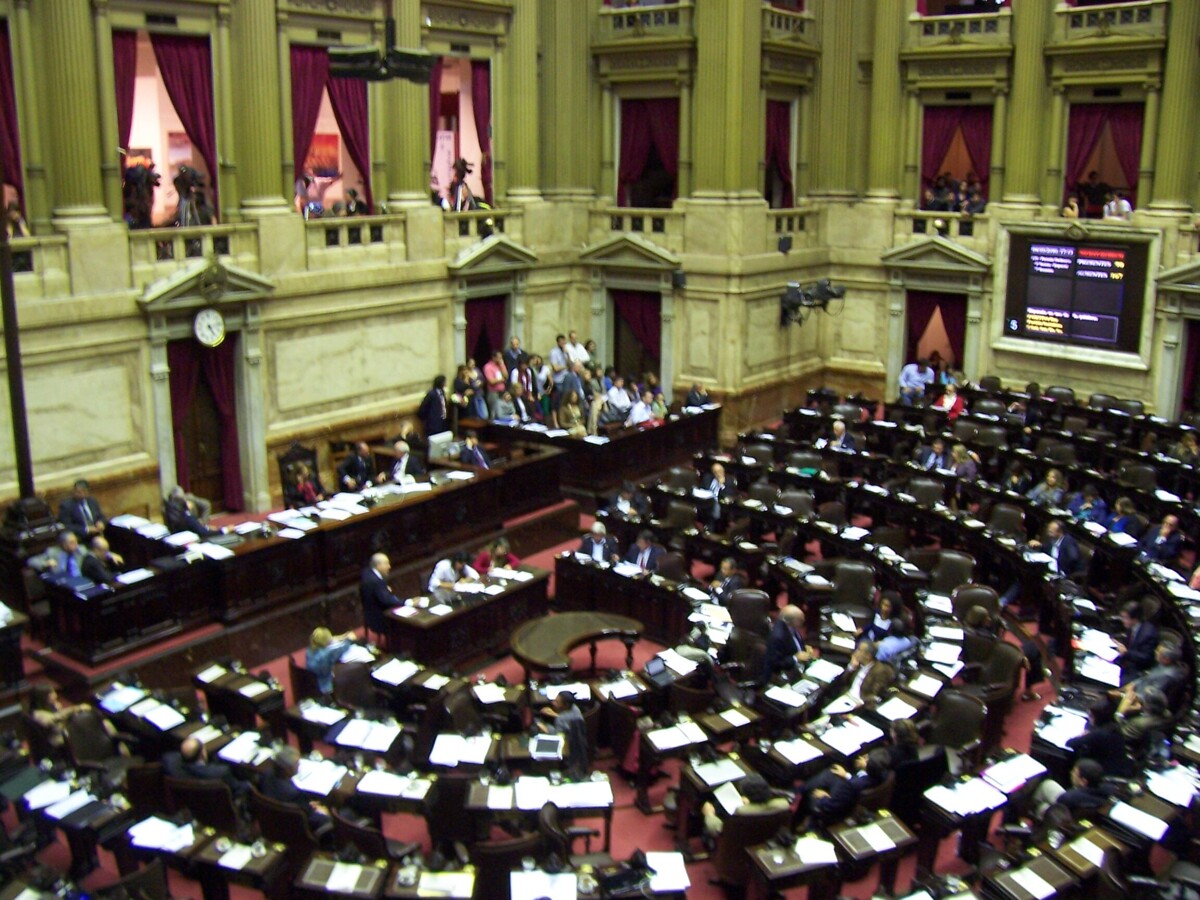
The Argentine government is betting on extraordinary parliamentary sessions between December 10 and 31 to advance the Budget, while the PRO party seeks to assert itself as a “strategic partner with its own voice,” in a delicate balance between cooperation and differentiation. The discontent over the defections from the PRO block not only reflects internal fractures but also presents a challenge for Milei to maintain a broad coalition without ceding control. This dynamic, accelerating ahead of the legislative turnover on December 10, generates unrest in the PRO ranks over the libertarian “seduction” attempts and marks the beginning of a more complex balance of power for the government of Javier Milei, which seeks to consolidate majorities to approve key reforms like the 2026 Budget and labor and fiscal packages. The libertarian block, chaired by Gabriel Bornoroni, recently formalized its new composition with 43 members, a significant increase driven by the arrival of deputies who left the PRO to align with Patricia Bullrich. There, an inter-bloc alliance with LLA was explicitly ruled out, an option that would have allowed the ruling party to wrest committee presidencies from Peronism. In the Senate, dispersion within the radicalism—three deputies to LLA, three to United Provinces—complicates the balance, but Abdala could retain the provisional presidency with Peronist support. Discontent escalated with the dissenting signature on the 2026 Budget report, due to omissions such as the automatic revenue sharing imposed by the Supreme Court and the 6,000 million pesos debt the Nation maintains with the City of Buenos Aires, a historical bastion of macrism. In response, the PRO reaffirmed its autonomy in a National Council meeting led by Mauricio Macri this Wednesday at the party's headquarters on Balcarce Street. In the Senate, Bullrich will chair the officialist block, displacing figures like Ezequiel Atauche, which consolidates the Executive's control in the upper house, where at least 18 allied seats are expected from December. Internal LLA meetings have been intense: three training sessions for new members covered administrative and regulatory aspects, with an emphasis on aligning the agenda with the Executive. Bornoroni will maintain the presidency of the caucus, while Giudici, former parliamentary secretary of the PRO with extensive congressional experience, will assume that role in LLA, in charge of strategic and administrative coordination. This strategy aims to project cohesion before a fragmented Congress, where LLA aspires to compete with Peronism for the first minority, adding dissident radicals and minorities like Verónica Razzini. However, these libertarian expansions have deepened discontent in the PRO, which views with suspicion the defections of its members to the officialism. Bullrich, now an elected senator for Buenos Aires, celebrated Avico's adherence on social media, describing her as an ally “convinced of transforming Argentina forever.” Next week, with the election of authorities in the PRO, the impact of this reorganization on the national agenda will be clearer. Yellow legislators, led by Cristian Ritondo, denounce direct pressure from Bullrich and Romina Diez to attract figures like Alejandro Bongiovanni and José Núñez. Next Tuesday, the block will elect its new parliamentary secretary, with Javier Sánchez Wrba as the favorite for his experience in the Senate and Ritondo's endorsement. This maneuver not only expands LLA's numerical base but also injects parliamentary experience into the group, mostly composed of legislators with no previous track record in Congress. The block's internal structure was hastily reorganized to face upcoming legislative challenges. The yellow strategy focuses on supporting the government's economic reforms—such as labor, criminal, and tax packages planned for the summer—without diluting its identity, introducing corrections to balance rights and consensus. Buenos Aires, November 14, 2025 - Total News Agency - TNA - The Argentine Chamber of Deputies begins a phase of political reconfiguration that redefines alliances and tensions in Congress, with the La Libertad Avanza (LLA) block strengthening its position as the officialist force through the incorporation of former PRO legislators, while the latter party opts to maintain its independence and rejects forming a joint inter-bloc. With the year-end recess approaching, Milei called another summit on November 5 with LLA and PRO to align efforts in Congress, recognizing the need for allies like PRO to surpass the 100 allied seats in Deputies. Nicolás Mayoraz, another designated spokesperson, will complement this duo on regulatory issues. Furthermore, a strict communicative discipline was imposed: only a select group of spokespersons, such as Martín Menem, Bornoroni, Mayoraz, Bertie Benegas Lynch, and Giudici, will have authorization for public statements or activity on social networks, avoiding “noise” that could destabilize unity. President Milei himself backed these changes during a recent summit with libertarian and allied deputies and senators, emphasizing the need to “articulate” in both chambers. María Eugenia Vidal, a key leader, confirmed the decision: “We will not form an inter-bloc with La Libertad Avanza.” Notable incorporations include Sabrina Ajmechet, Damián Arabia, Silvana Giudici, Laura Rodríguez Machado, and the most recent, Belén Avico, a Córdoba businesswoman and defender of the “change” promoted by the Executive. Analysts warn that without a formal inter-bloc, negotiations for structural reforms could prolong, exposing vulnerabilities in a Congress where Peronism retains influence despite its divisions. They ironize about article 74 of the Budget, which would enable compensations for Edesur and Edenor for frozen tariffs since 2002, contrasting it with cuts to other sectors like the VAT on newspapers. This reconfiguration draws a tense but strategic legislative landscape for the Government. Sources from the block indicated that deputies' own projects will have to be postponed for months to prioritize the government's roadmap. “That sits very badly and makes us hold back,” confessed a deputy from the block, recalling with irony Menem's words, who called PRO a “little block of 15 deputies”.