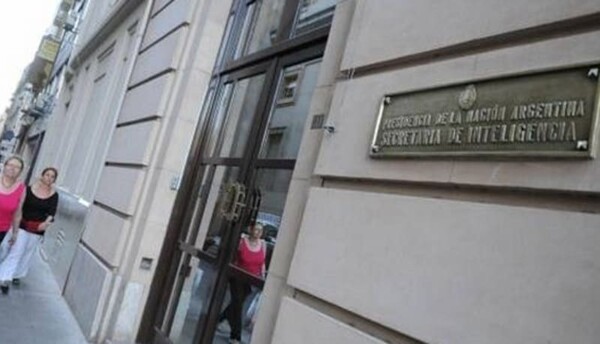
Argentina's most significant corruption trial in recent history begins this Thursday, with former President Cristina Fernández de Kirchner set to appear as the main accused. She is alleged to have been the head of a criminal organization operating between 2003 and 2015. The case, known as the 'Notebooks' case', centers on a scheme of bribes related to public works. The investigation, based on the records of a former driver, revealed two channels of illicit fundraising: a direct one between officials and businessmen, and another mediated by intermediaries and financial structures. During the investigation, a dozen businessmen offered "comprehensive reparations"—multi-million payments to avoid trial—but these were rejected by the prosecution, which argued it would send a message of institutional impunity. The trial is being held mostly virtually, raising questions about procedural guarantees such as the right to a fair defense. Alongside Kirchner, dozens of former officials and major businessmen are on trial. The prosecution claims to have uncovered a structured system of illegal fundraising through public works that operated for twelve years. Over 600 witnesses are expected to be called. For the Argentine judicial system, this trial is a test of its capacity to handle highly complex cases with numerous defendants and voluminous documentation.
The 'Notebooks' case' is founded on records kept by former driver Óscar Centeno, who documented for years the transport of bags with alleged bribes from construction companies to high-ranking public officials.