Buenos Aires, November 4, 2025 - Total News Agency (TNA) - The Federal Chamber of Criminal Cassation rejected on Monday a new attempt by former President Cristina Fernández de Kirchner to prevent the start of the oral trial for the 'notebooks of bribes' case, scheduled for Thursday, November 6.
This case, one of the most emblematic for alleged corruption during the Kirchnerist governments, accuses the former head of state of leading a criminal association dedicated to collecting bribes from public works entrepreneurs.
The ruling was issued by judges Diego Barroetaveña, Gustavo Hornos, and Javier Carbajo, members of Cassation's First Chamber, who rejected the appeals filed by Fernández de Kirchner's defense.
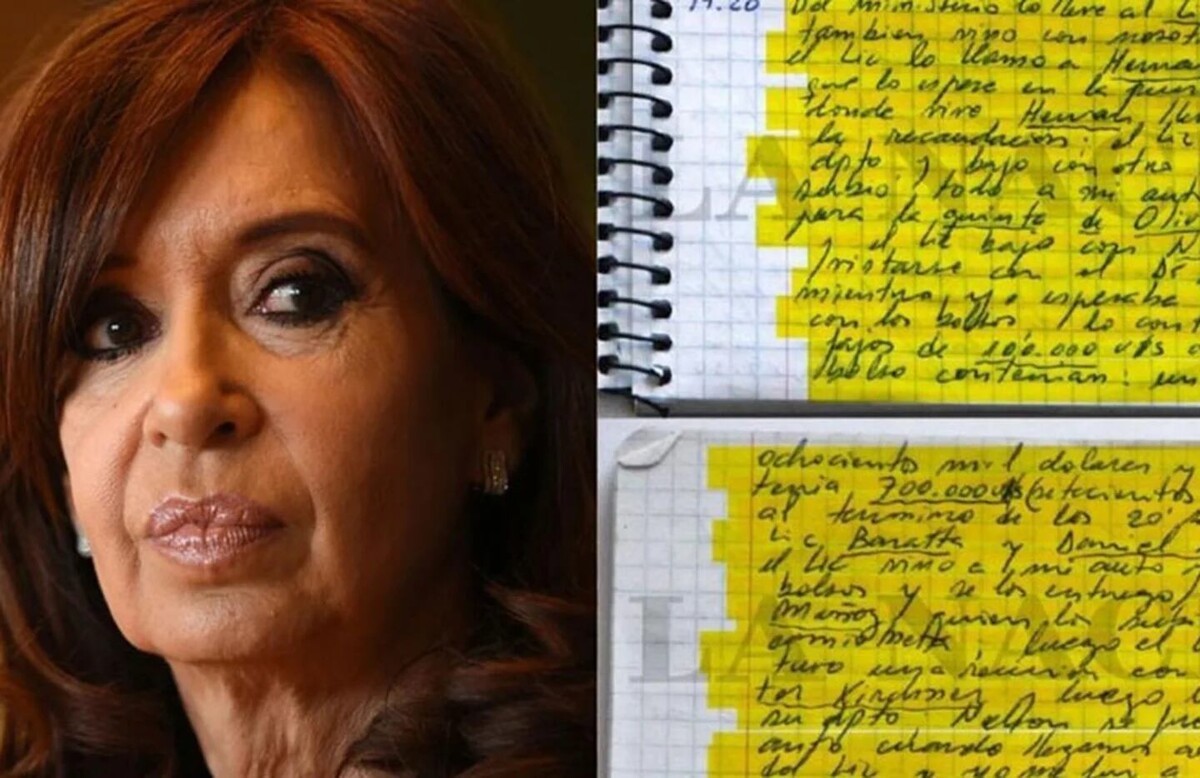
The investigation arose from notebooks written by driver Oscar Centeno, which detailed supposed money transfers between businessmen and officials from the Ministry of Planning.
Judicial sources indicated that the start of the oral debate will mark a turning point in the judicial process that has been in instruction for more than seven years and includes multiple appeals.
The case, with over 80 accused, involves former officials and businessmen accused of having paid bribes for public contracts between 2003 and 2015.
Consequently, the exclusion of López Iñíguez was made final, recused by prosecutor Fabiana León due to her intervention in previous cases linked to the former president.
Faced with the imminence of the trial, Cassation ordered that the new fourth substitute judge be Néstor Costabel, a magistrate who convicted Lázaro Báez in the case known as the 'route of the K money' and who currently controls the execution of that sentence.
The presentation sought to postpone the opening of the trial until the recusal of Judge Gabriela López Iñíguez, initially drawn as a substitute for the Federal Oral Court 8, became final.
The defense had argued that the appointment of the fourth judge should be halted until the recusal was definitively resolved, but the highest criminal court considered that the argument lacked procedural grounds and that “the challenged decision is not a final sentence nor is it equated to it by its effects”.
By leaving the latest dilatory motions without effect, Cassation paved the way for the oral court to begin the most voluminous trial in the history of Argentine justice in terms of political corruption.
The process will begin next Thursday at the Comodoro Py federal courts, under a strong security device and with the attendance of more than 300 witnesses.
Costabel will replace Judge Andrés Basso, who had been appointed in a previous draw but recused himself for having been part of the court that convicted Fernández de Kirchner in the Viality case.
The court that will conduct the trial for the notebooks will be made up of judges Germán Castelli, Fernando Canero, and Enrique Méndez Signori, with Costabel as a substitute.
It is expected that the hearings will extend for several months and that the trial will become a central stage of the country's political and judicial debate.