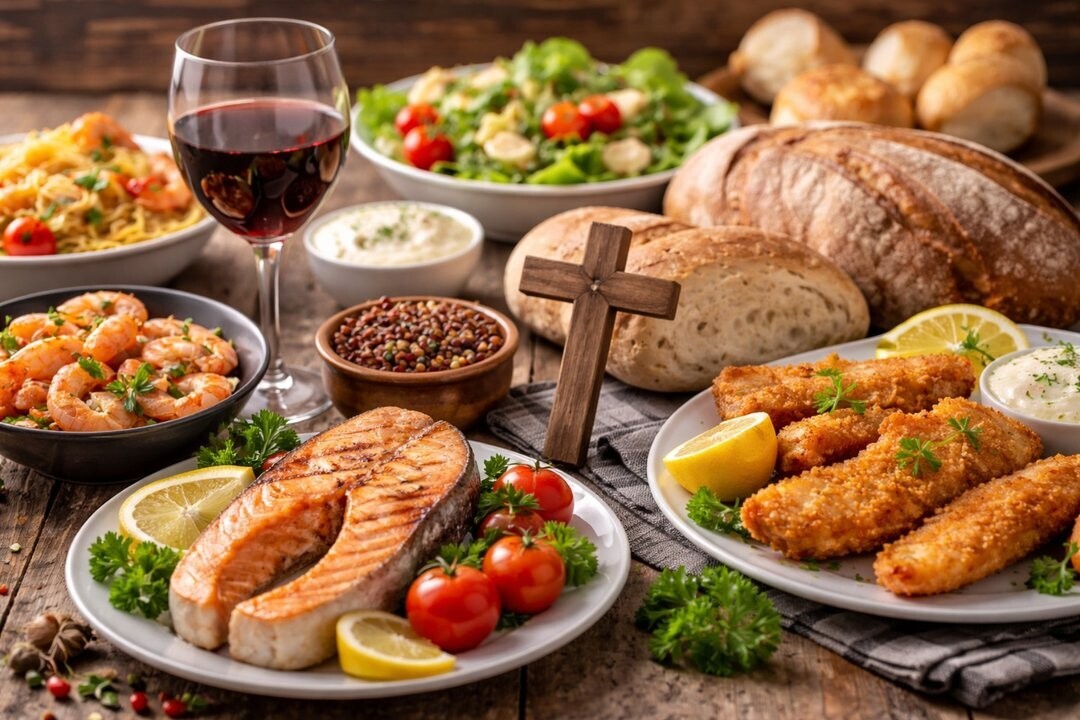
Each year, during Holy Week, millions of people around the world avoid consuming red meat, especially on Good Friday. For believers, it is a day of reflection, respect, and penitence, in which they seek to honor the sacrifice made. In this context, the Catholic Church established the abstinence from meat centuries ago as a form of sacrifice. Traditionally, red meat was associated with celebrations and abundance, so not consuming it represented an act of humility and austerity. Instead, many people opt for simpler meals, with fish being one of the most chosen alternatives. This practice also has a special symbolism, as fish was one of the most frequently mentioned foods in biblical accounts and is associated with the first Christians. Although the norm remains, over time the Church has relaxed its enforcement. It is a practice deeply rooted in Christian tradition, combining religious symbolism, history, and cultural customs. The main explanation is linked to the meaning of Good Friday, the day on which the crucifixion and death of Jesus Christ are commemorated.