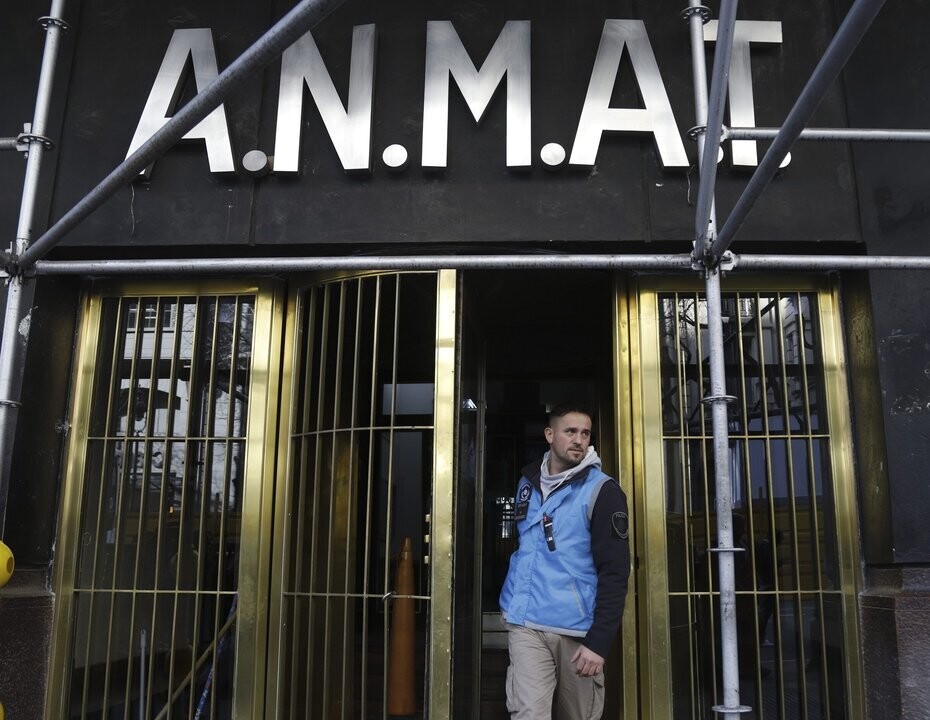
The National Audit Office (AGN) will audit the National Administration of Medicines, Food and Medical Technology (ANMAT) and the National Institute of Medicines (INAME) as part of the case into contaminated fentanyl. A participatory planning workshop was held this Thursday at the Dr. Raúl Ricardo Alfonsín Presidential Building, where families of victims of the adulterated opioid were present. Sources in the case informed the Argentine News Agency (NA) that a date for the audit has not yet been set, but the AGN will proceed with both institutions to determine possible responsibilities. According to the judicial investigation by Judge Ernesto Kreplak and the commission's reports, 'the fentanyl adulteration case has uncovered a critical sequence of failures in early detection, insufficient controls in production, ignored precedents, and a traceability and recall system that failed to act in time'. At the end of January, the Federal Justice sent the complete list of those who died from the adulterated opioid to the Forensic Medical Corps, confirming 111 fatal victims. The analysis was carried out during the Judicial Fair, during which a total of 159 cases were evaluated. Of that number, 48 patients survived. Regarding the judicial situation, there are 14 prosecuted and detained individuals, including Ariel García Furfaro, owner of HLB Pharma and Ramallo S.A. laboratories. García Furfaro, an associate of the Kirchner family, is considered 'criminally responsible as co-author of the crime of adulteration of medicinal substances' for causing the deaths of 20 people, 'in conjunction with the crime of adulteration of medicinal substances in a dangerous manner for health, also as co-author'. The businessman is alleged to have intervened together with 16 members of the staff of both laboratories through 'the making of various decisions related to the manufacturing, distribution and sale' in the adulteration of batch 31202 of the opioid, which was 'destined for public health use, with a production order issued on December 16, 2024'. 'The adulteration of the medicinal substance consisted of its contamination through a manufacturing process characterized by multiple deficiencies, including many critical ones, regarding which there were multiple alerts that were not heeded,' the document states.