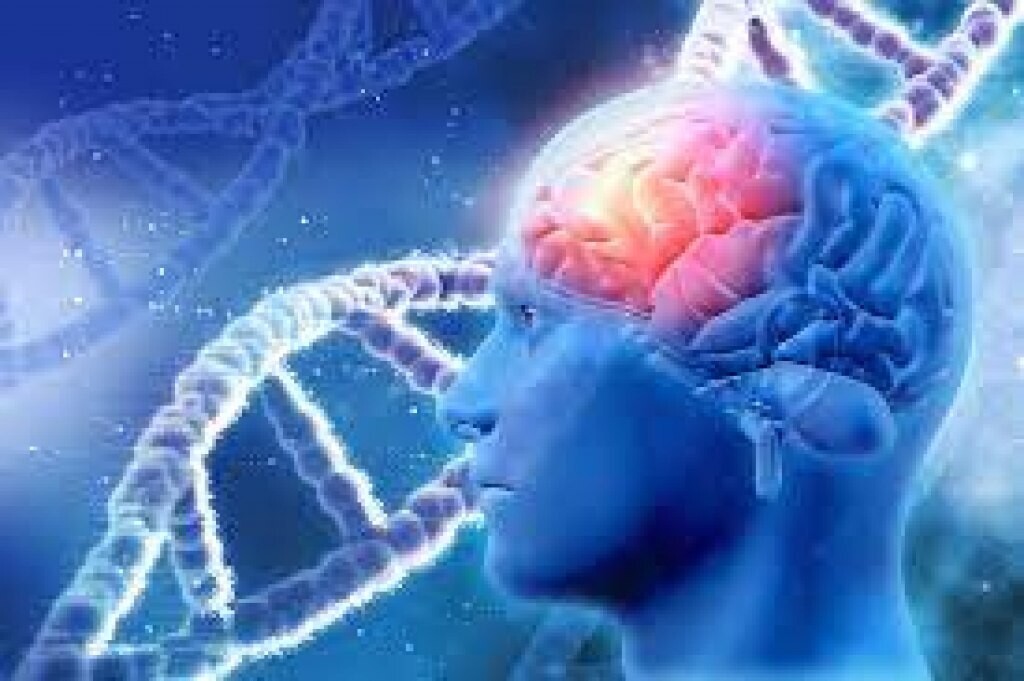
Epilepsy is one of the most frequent neurological disorders in the world. Although in many cases it can be controlled with anti-epileptic drugs (AEDs), a significant percentage of patients continues to have seizures despite pharmacological treatment. Epileptic seizures occur due to abnormal electrical discharges in the brain that can generate a wide variety of manifestations: from involuntary movements and loss of consciousness to brief episodes of disconnection, sensory alterations, or behavioral changes. The way they present depends on the area of the brain involved and the patient's age. On the occasion of Purple Day, which is commemorated worldwide every March 26, the digital platform 'Let's Talk about Epilepsy' was presented. This is a space for patients, families, and anyone interested in the topic. There, they will find reliable information about the pathology to dispel myths, to better understand what both the patient and their environment go through, details about ketogenic therapy in particular, and they will have the possibility of accessing a free informative virtual medical consultation with a neurologist experienced in the management of epilepsy and ketogenic therapy, to receive guidance, clarify doubts, and better understand this therapeutic option. They will also find a geolocated map with the details of specialized centers with teams of professionals trained in ketogenic therapy. Beyond the epileptic seizure itself, this disease can impact multiple aspects of daily life: it can affect learning, social life, and the autonomy of patients. In addition to reducing seizures, some patients may experience improvements in cognitive and behavioral aspects and in their quality of life, and even reduce the intake of anti-epileptic drugs and their possible adverse effects. 'It is an intervention that requires a multidisciplinary medical team, led by the neurologist, a precise indication, and medical-nutritional follow-up. However, around 30% of patients present what is known as drug-resistant epilepsy: a condition in which seizures persist despite the proper use of at least two anti-epileptic drugs,' explained Dr. María Vaccarezza, Head of the Pediatric Neurology Service at the Hospital Italiano de San Justo and a staff physician at the Pediatric Neurology Service of Buenos Aires. 'When a patient does not respond to conventional pharmacological treatments, it is essential that they be evaluated in specialized centers to analyze other therapeutic options instead of continuing to lose valuable time; there are strategies that can really, in many cases, improve disease control,' she added. It also generates a great emotional burden for families, who live with uncertainty and the need for permanent surveillance. Most of the time, anticonvulsant drugs allow seizures to be controlled. Among these non-pharmacological alternatives, ketogenic therapy has been consolidated as an effective tool. It consists of a nutritional treatment that specifically and controlledly modifies the proportion of macronutrients in the diet, prioritizing the consumption of fats, moderating that of proteins, and significantly reducing carbohydrates. This metabolic change induces a state called ketosis, which impacts brain activity and can contribute to the control of epileptic seizures. 'Numerous studies show that ketogenic therapy can significantly decrease the frequency and intensity of seizures in patients with drug-resistant epilepsy: up to 60% manage to reduce their epileptic seizures by more than half, and a percentage eliminates them completely,' pointed out Dr. Vaccarezza.