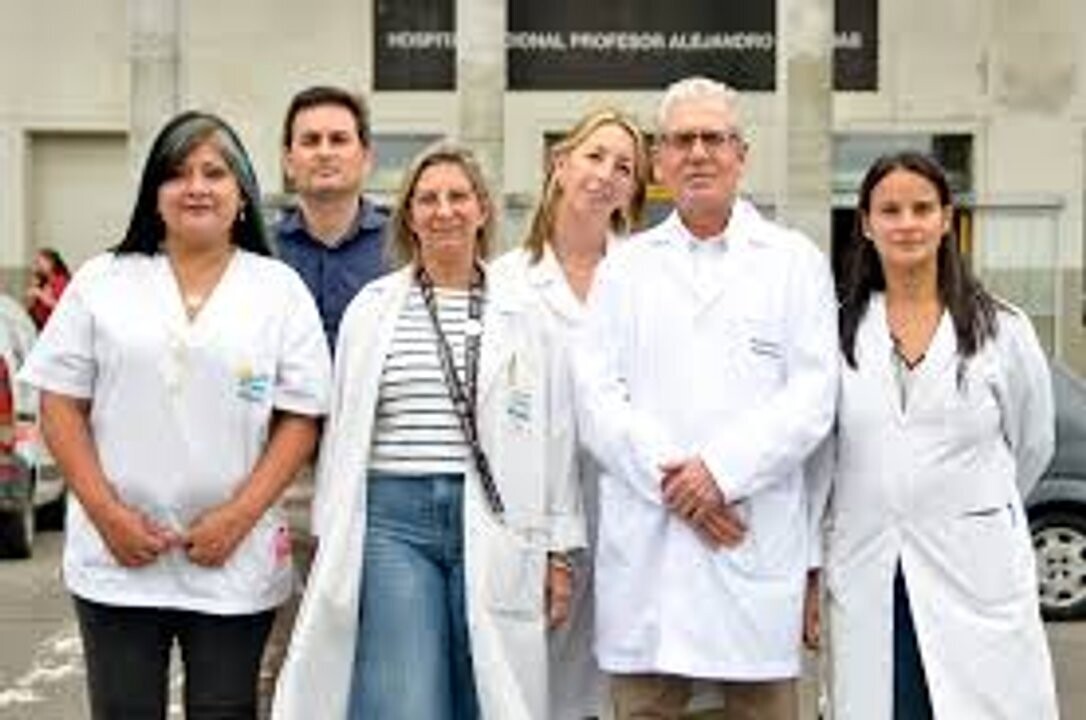
In Buenos Aires, a pediatric heart donation in controlled asystole via Normothermic Regional Perfusion (NRP) was performed for the first time at the National Professor Alejandro Posadas Hospital, marking a historical precedent. The procedure was carried out on a 3-year-old child who had been hospitalized for over a year in the Chronic Sector of the Pediatric Intensive Care Unit, diagnosed with a chronic, refractory neurological disease with technological dependence. According to a report seen by the Argentine News Agency, the family's generous decision established a milestone in the national transplant system, becoming the first case of cardiac retrieval in a national hospital via controlled asystolia in Argentina. The success of this procedure was the result of intense interdisciplinary work. The Pediatric Palliative Care and Intensive Therapy teams provided comprehensive support to the family, ensuring respect for the patient's dignity and relief from suffering. After confirming the irreversibility of the clinical condition, the Hospital Procurement Unit of Organs and Tissues (UHPROT) coordinated the operation alongside CUCAIBA, INCUCAI, and retrieval teams, which acted swiftly and in coordination. "The achievement was to demonstrate that this technique is possible in a national hospital, to put it at the service of the transplant system, and, above all, to generate trust in other teams. Although it is a validated practice worldwide, in our country it implies a paradigm shift," explained the organizers.