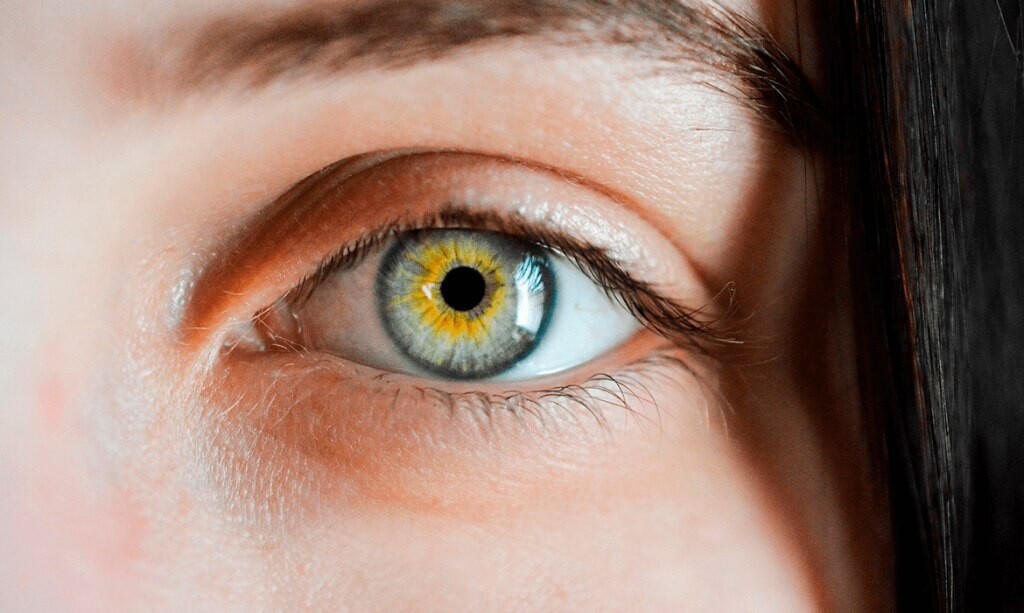
Glaucoma is a chronic and progressive disease that damages the optic nerve and slowly causes vision field loss. In Argentina, 50% of the population does not know what glaucoma is and has not had their intraocular pressure taken in the last five years, which highlights the importance of annual eye exams starting at age 40. Within the framework of the World Glaucoma Week, held from March 8 to 14, specialists warn about the importance of routine check-ups to detect the disease in time, which is the leading cause of irreversible blindness worldwide. It is estimated that worldwide, more than 80 million people live with glaucoma, but approximately 50% of them do not know it, as the disease does not present symptoms in its early stages. In Argentina, more than a million people live with this disease, which affects more than 6% of those over 40 and 10% of those over 70. Experts note that normal intraocular pressure ranges from 10 to 21 mmHg, and a value higher than this would indicate glaucoma. There are different types of glaucoma: congenital, juvenile, open-angle or closed-angle in adults, and secondary glaucoma, which occurs after trauma or due to the use of corticosteroids. The most common is primary open-angle glaucoma, which usually appears from the age of 35-40. Therefore, it is important to have an annual eye exam starting at age 40, or earlier if there are risk factors or a family history of glaucoma. During the exam, a glaucoma detection exam should be requested, including intraocular pressure measurement, daily curves, fundus examination, and a review of the optic nerve's function with a visual field test. If you have glaucoma, it is important to know that the treatment aims to control intraocular pressure and stop its progression. There are different forms of treatment, from daily eye drops to laser surgery and incisional surgery. If an ophthalmologist prescribes medication, it is necessary to apply the drops at the indicated time, using reminders if necessary and refilling the medication on time. People diagnosed with glaucoma must have periodic check-ups, at least once or twice a year, and remain under lifelong ophthalmological follow-up. Currently, there are effective treatment options, such as eye drops that reduce intraocular pressure, which can preserve vision when the disease is detected in time or laser treatments.