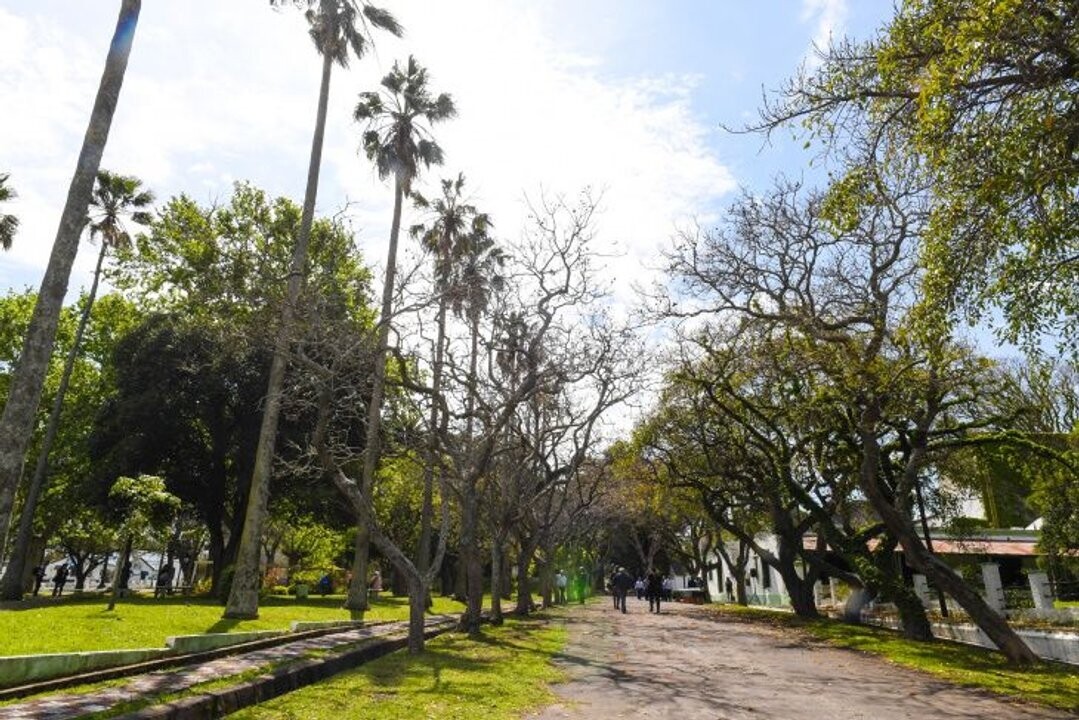
The National Service of Health and Food Quality (SENASA) declared a Phytosanitary Emergency on Martín García Island following the detection of the Red Palm Weevil. This measure, initially extending until June 30, 2027, aims to curb the spread of what is considered the world's most destructive palm pest, capable of damaging over 35 species of these plants. The pest, previously classified as an 'Absent Quarantine Pest', was found in January of this year affecting a Canary Island palm tree. Laboratory analyses confirmed the presence of adults and larvae, which immediately activated contingency protocols against the pest, previously absent in Argentina. SENASA, together with the Ministries of Agrarian Development and Environment of the Province of Buenos Aires, is coordinating actions to immediately implement the contingency plan to control this focus and prevent its spread. Authorities have warned that anyone who detects specimens compatible with the pest or suspicious damage (such as crown decline or perforations in the leaves) is obliged to report it immediately to SENASA. Due to the lack of registered products specifically for this insect in the country, SENASA provisionally and exceptionally authorized the use of several active ingredients for its control through two techniques: Endotherapy (trunk injection) and Exotherapy (external application). Authorities warned that those responsible for treatments must ensure that the fruits of treated palms are not consumed and must mark the application areas to prevent people from re-entering for at least 48 hours.