High temperatures usually attract insects that are not seen at other times of the year, and the heat, along with humidity and the tropicalization of the climate, mean that both the City of Buenos Aires and the rest of the AMBA are suffering today from the presence of the barigüí.
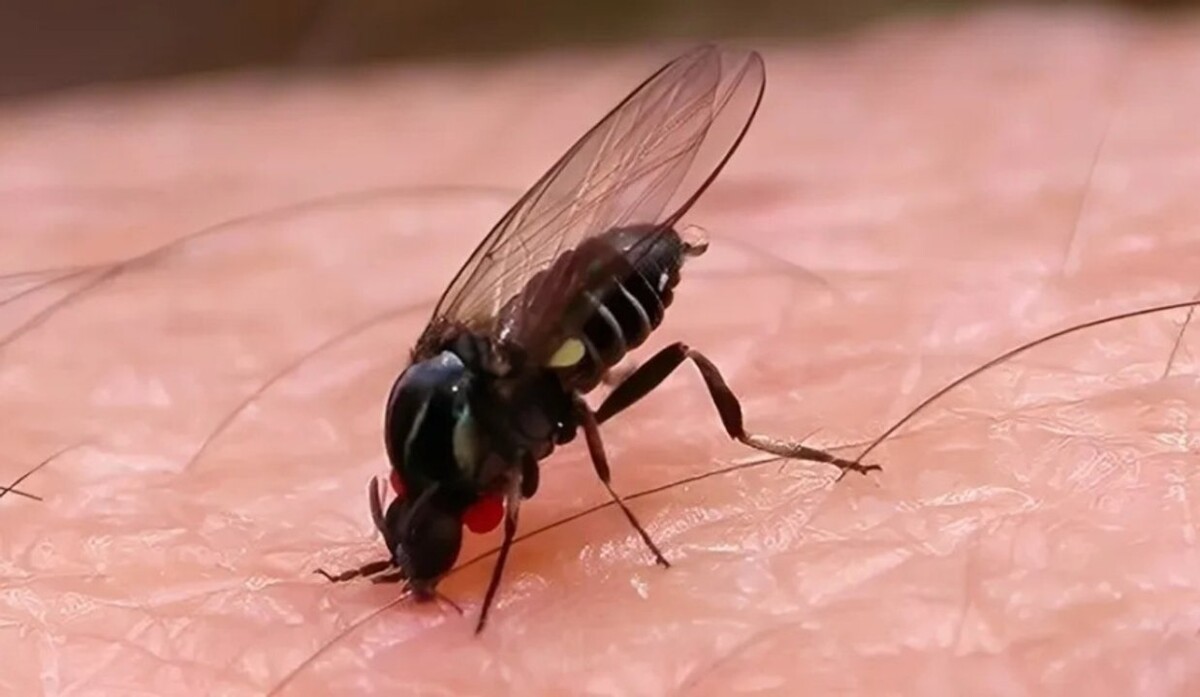
According to a report seen by the Argentine News Agency, it is a small flying insect, very similar to a mosquito, and known as the "black fly". It is mainly found in areas near rivers, streams, and places with running water, where it reproduces.
"Unlike the common mosquito, the barigüí does not bite, but cuts the skin to feed on blood, which causes more pain and irritation at the moment," the report states.
"It is more active during the day, especially at dawn and dusk," said dermatologist Yael Borojovich.
The bite (sting) of the barigüí can cause: • Immediate pain that can last for several days. • Redness and swelling. • Intense itching. • Burning on the skin. • In some people, allergic reactions such as severe inflammation or fever. • It leaves red marks, sometimes with scabby wounds that take a long to disappear.
"Although it generally does not transmit serious diseases, its bites can cause infections if the area is scratched," assures the specialist from Ospedyc.
How to prevent barigüí bites: • Use insect repellent, it is not very effective, but it helps. • Wear long-sleeved shirts and long light-colored pants, dark ones attract them. • Avoid areas near rivers or streams during peak hours. • Place mosquito nets on doors and windows. • Keep the environment clean and without moisture buildup.
"If a person is bitten by a barigüí, the area should be washed with soap and water, ice or cold compresses should be applied to reduce inflammation, calming creams or antihistamines should be used, scratching should be avoided to not infect the wound, and, of course, in case of a strong allergic reaction, it is recommended to see a doctor," concluded Dr. Borojovich.