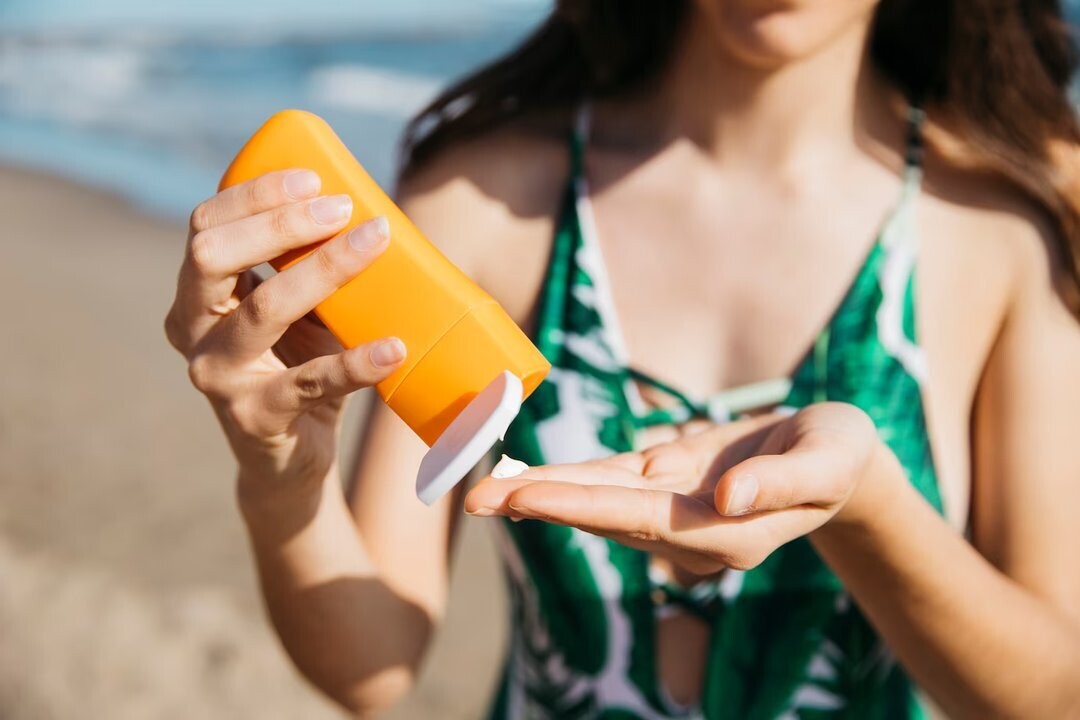
Summer is an ideal time to enjoy the outdoors, but it is also a moment when we must redouble our efforts to protect our skin, as sun exposure can have harmful short-term and long-term effects. Therefore, it is essential to adopt preventive measures to care for our dermatological health, and fundamentally, for those who are undergoing cancer treatment.Dr. Carlos Silva, Medical Director and Coordinator of the Patient Accompaniment Area at LALCEC, explained in a report accessed by the Argentine News Agency: “Some medications used to treat tumors can cause side effects on the skin or make the skin more sensitive to solar radiation, but this does not happen with all treatments. In any case, it is important to consult with your doctor to confirm if the drug you are receiving may be causing side effects on the skin and to carry out appropriate follow-up. Many times, people overlook certain signs because they think they are irrelevant or not related to the treatment,” he added.Dr. Silva also pointed out some recommendations to keep in mind: “First and foremost, it is essential to avoid sun exposure during peak hours, even when it is cloudy, as rays penetrate the clouds. Consult your oncologist about which drugs in your treatment may increase sensitivity to ultraviolet radiation. Maintain good hydration, both by drinking enough water and by using moisturizers daily.“It is recommended to have an annual check-up with a dermatologist, preferably before summer. Both chemotherapy and immunotherapy can produce different types of lesions. Generally, the vast majority are reversible and do not leave sequelae. It is also important to use sunscreen with SPF 50, apply it before going out and reapply it every two hours or after water activities”.“It is also recommended to wear light-colored, long-sleeved clothing to cover arms and legs, which are the most exposed, and finally, to protect the scalp with a hat, as that area also tends to receive a lot of solar radiation,” expressed the professional.During cancer treatment, it is important to take some precautions to protect the skin: Avoid the sun between 10 a.m. and 4 p.m. or whenever your shadow is shorter than your own height. Use sunscreen, ideally with SPF 50, and reapply it as directed. Do not sunbathe if you are receiving medications that sensitize the skin. In this way, you will receive instructions for skin care and you will also be able to detect high-risk lesions that require follow-up,” indicated Dr. Silva.To conclude, he said: “It is important to consult if a lesion appears that: persists over time, is asymmetrical, has irregular edges, changes color or is very dark, is larger than 6 millimeters, or grows, bleeds, or shows any significant change”.