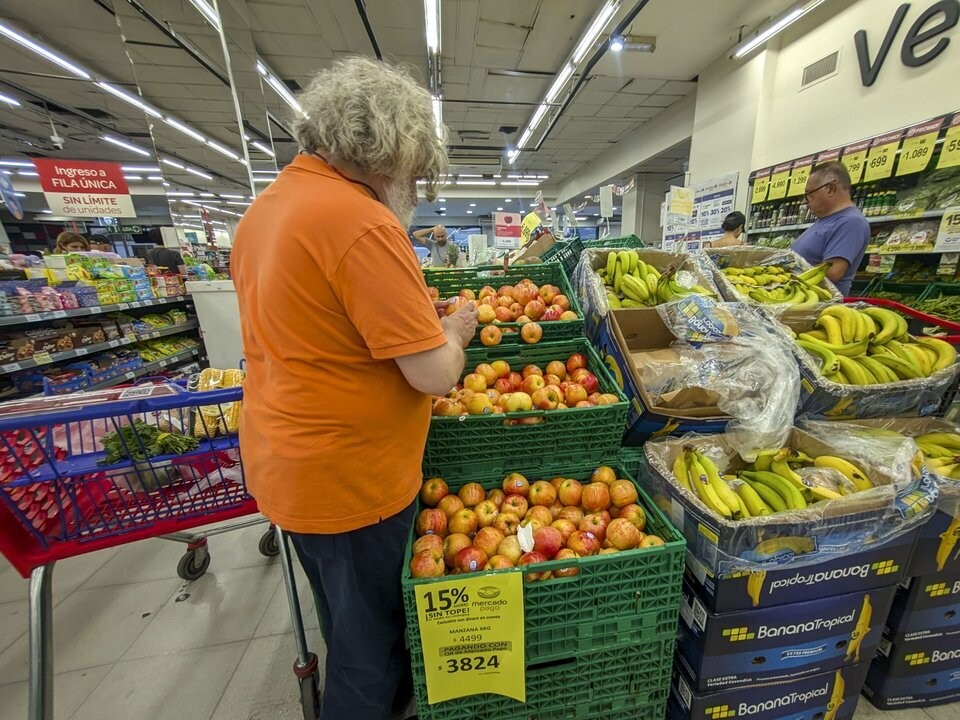
Inflation in Buenos Aires accelerated to 3% in March, up from 2.6% in February, according to the Buenos Aires City Statistics and Census Institute (IDECBA). With this result, inflation accumulated in the first quarter of 2026 stood at 8.9%. Year-on-year, the increase was 32.1%, according to official information processed by the Argentine News Agency. The education sector and fuel price hikes explain the rise in prices. Education saw the highest increase at 8.6%, driven by higher private school fees and school supply costs at the start of the school year. Meanwhile, transportation rose by 6.0%, impacted by fuel price adjustments and urban bus fare increases. "Housing, water, electricity, gas" expenses increased by 3.2% due to higher rents, common expenses, and residential electricity (7.8%) and water (4.0%) tariffs. Food and non-alcoholic beverages rose by 2.6%, with the main boost coming from Meat and derivatives (6.3%). This increase was partially offset by a drop in the prices of vegetables (-3.3%) and fruits (-1.8%). During the third month of the year, Services (3.1%) became more expensive than Goods (2.8%). In the category analysis, Regulated prices averaged an increase of 6.5, with the weight of schools and transport standing out. Conversely, Seasonal products fell by 4.5%, mainly due to "drops in the prices of hotel accommodations and tourist packages" after the summer season.