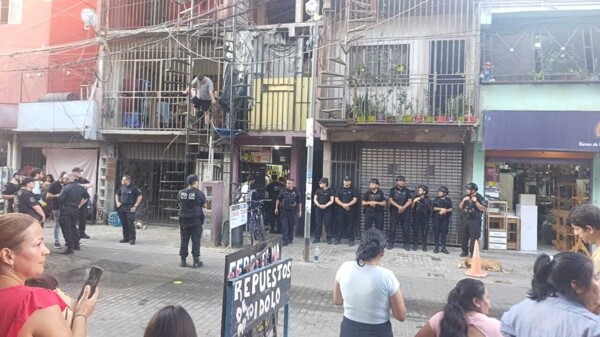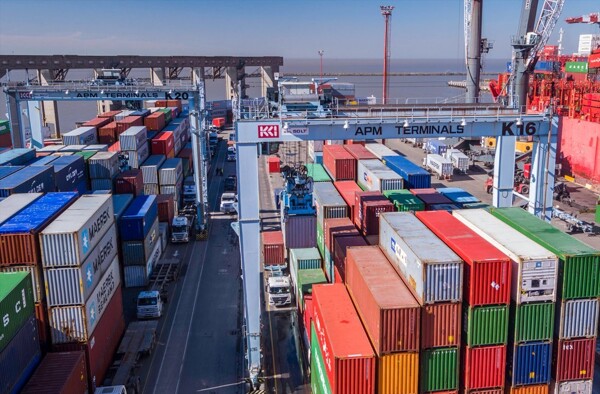
The Javier Milei government has reduced national transfers to the provinces by 65.65% in real terms during its tenure. Consequently, the available resources of the provinces (automatic and discretionary transfers) have fallen by 19% in real terms, amounting to 1.5 trillion pesos monthly. To mitigate the shortfall, the government has just provided a financial advance of $400 billion to twelve of them. Over the last 12 months, the real year-on-year percentage change in total national transfers has been -3.2%, according to a report by IARAF President Nadin Argañaraz, accessed by the Argentine News Agency. Federal Bankruptcy. According to Decree 219/2026, published today in the Official Gazette, 50% of Argentine provinces 'manifest that they are temporarily unable to meet the most urgent financial commitments derived from the execution of their expenditure budget and debt amortization.' Milei is granting them a 'financial advance' at a 15% annual rate for Catamarca, Chaco, Chubut, Corrientes, La Rioja, Mendoza, Misiones, Río Negro, Salta, Santa Cruz, Tierra del Fuego, and Tucumán. The advance amount will be determined for each province based on 'its repayment capacity based on its participation in the collection of national taxes', but it cannot exceed $400 billion pesos and must be repaid by December 31, 2026. Conflicts in the Provinces. In the first quarter of 2026, Coparticipation Resources fell by 8% and provincial tax revenues by around 4%. As 70% of the provincial budget is concentrated in health, education, social security, and security, the adjustment has fallen on workers in these sectors. The CEPA Center, headed by its director Hernán Letcher, surveyed the state of affairs across the country: 80.4% of active conflicts involve education, health workers, police, and public sector employees. Of the 19.6% of conflicts with agreements, most are short-term: unions accept reopenings in 30 or 60 days to not lose out to inflation. Details: Buenos Aires: presents four main areas of conflict affecting the education, public employment, judicial, and health sectors. Autonomous City of Buenos Aires: conflicts are linked to education and public employment sectors, where they demand the advancement of collective bargaining because previous increases have been below inflation. Catamarca: faces a critical situation with six sectors in conflict: education, public employment (including municipal workers), judicial, police, and health. Chaco: seven points of conflict are identified, mainly affecting education, public employment, and police. Chubut: two conflict foci in the education and health sectors. Córdoba: presents five areas of conflict covering education, judicial, pensions, health, and public employment. Corrientes: five active conflicts are recorded in education, public employment, judicial, and health sectors. Entre Ríos: has six sectors in conflict in education, public employment, judicial, police, health, and pensions. Formosa: the province announced significant salary increases in education and public employment. Jujuy: four sectors in conflict are identified, from the education, public employment, police, and health sectors. La Pampa: records two conflict foci in education and public employment. La Rioja: has two conflicts in education and public employment. Mendoza: there are conflicts in education, public employment, and health. Misiones: records three areas of conflict linked to education, public employment, and health. Neuquén: presents three conflict foci in the education (teachers and non-teachers) and judicial sectors. Río Negro: has six sectors in conflict, including education, public employment, judicial, police, and health. Salta: has four conflict foci in education, public employment, police, and health. San Juan: presents four areas of conflict affecting education, public employment, health, and police. San Luis: conflicts are recorded in the education, public employment, health, and judicial sectors. Santa Fe: presents four areas of conflict referring to education, public employment (municipal), police, and health. Santiago del Estero: two main points of conflict are identified in the education and public employment sectors. Santa Cruz: records five conflict foci affecting the education, public employment, judicial, police, and health sectors. Tierra del Fuego: has four sectors in conflict linked to education, public employment, judicial, and health. Tucumán: records three conflict foci centered on education (both provincial and university), public employment, and the science and technology sector.