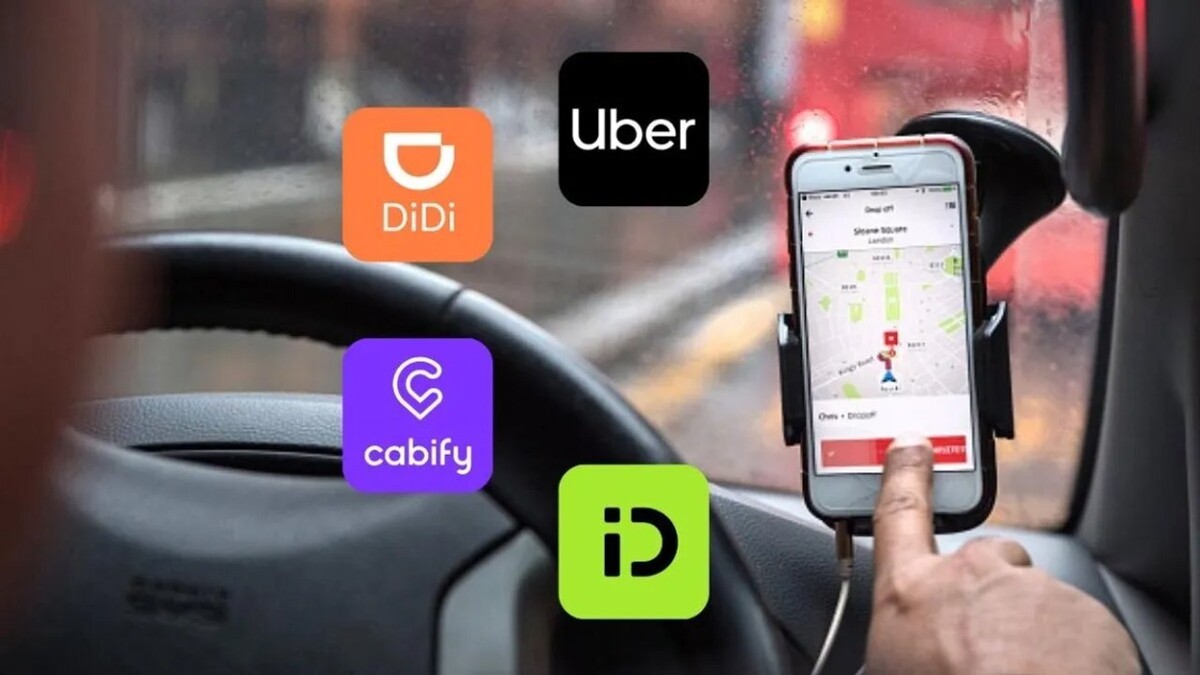
Recently, a trial with a fare of $2,000 for trips of up to two kilometers was implemented, it was explained. In the City of Buenos Aires, “the average currently ranges from 10,000 to 12,000 pesos per billable hour”. During extended work shifts, a driver who works approximately fifty hours a week can reach a “monthly billing of $2,500,000,” from which expenses such as fuel and maintenance must be deducted. Fuel alone represents 30% of operational costs. Those who rent cars pay between $350 and $400 weekly, plus fuel, and can have expenses of up to $2,000,000 per month just on rental. Almost half a million in Uber Over the more than six years of Uber's operation in the country, more than 460,000 people have generated income by driving on Argentina's leading mobility platform. Uber's competitors, Didi and Cabify, are also following this growth. The Chinese company DiDi invested 160 million dollars in 2025, expanded to more than 200 localities in 10 provinces, and doubled the number of people working with the app, which now totals 350,000; their trips grew by 85% in cars and 100% in motorcycles in the first months of the year. Cabify operates in more than 10 cities and is also growing, with 100,000 drivers averaging 30 weekly hours (up to 50 if it's their main job) and incomes that can reach $800,000 weekly. The average age of a driver is 42 years old, and 90% are men. The other top app is Rappi, which has 45,000 active delivery drivers and grew 30% in orders during 2025 (the highest annual increase in the region); 70% of its delivery drivers connect for less than 50 hours a month, and 56% for less than 25 hours; they earn an average of $6,000 per hour (up to $9,000 at peak times) and receive weekly payment. Then come the Uruguayan multinational PedidosYa and MercadoLibre. It is estimated that currently there are more than 500,000 drivers circulating the streets working for various mobility apps, including more than 17,000 taxi drivers registered on the Uber platform. And more than 31,000 people have registered to drive in the motorcycle category since February 2023. If you cross-reference these figures, this source of work would have come to replace the 300,000 employees who left the private labor market, and another 70,000 who lost their positions in the State, according to data collected by the Argentine News Agency. Even thousands of Venezuelans who have arrived in Argentina in recent years work in apps or in the commerce sector. According to the president of the App Drivers Association, Pablo León, among active drivers, there are those who dedicate themselves to the activity exclusively and those who choose it as a complementary option. The expansion the activity has had does not correspond to the profitability it generates. The head of the Drivers Association stated that drivers, regardless of their profile, when they decide to enter the sector, they do so because they are unable to sustain themselves with their main income alone. Money for day-to-day living This is due to “an issue of cash flow for day-to-day living, and they accept these conditions with the expectation that at some point they will not depend on this.” “They lowered the rates, what they paid us for each trip or for each kilometer traveled, they have directly reduced it. For example, to make a five-kilometer trip, plus going to pick up the passenger, the payment is $2,800.”