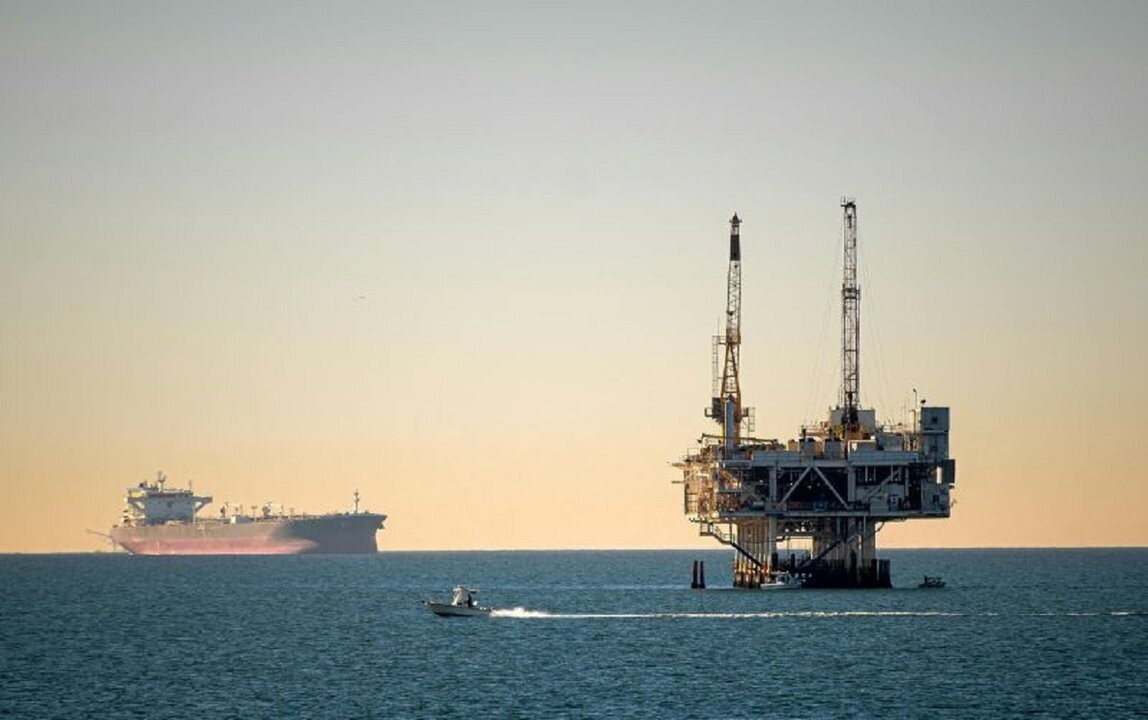
The escalation of the conflict in the Middle East has once again introduced uncertainty into international markets and reconfigured global economic expectations. Economist Gabriel Caamaño warned that the sharp jump in oil prices introduces a new shock to the world economy, directly impacting inflation, monetary policy decisions, and the dynamics of financial markets. According to him, the main question for investors is to determine whether the rise in oil prices is a transient phenomenon or a more persistent change. "We are finishing to see if we are facing a shock with a certain level of permanence," he noted. In this sense, he highlighted that oil has a decisive weight in the global economy due to its impact on logistics and production costs. "When there are such rapid and significant jumps in the price of oil, what happens is a contraction of the supply curve," he stated. The economist also indicated that the market is reacting with marked volatility to every political or military signal linked to the conflict. "When the market says 'the war is going to be long,' everything falls. However, due to losses in some funds and the need to cover investor withdrawals, there was a liquidation of positions that pressured prices down," Caamaño explained. On the local front, Caamaño highlighted that the main factor that allowed the disinflation process to begin was the change in fiscal policy. "The change in the fiscal regime was fundamental and it is one of the best things the government did," he affirmed. In Europe, he added, the possibility of interest rate hikes is even being debated due to the inflationary impact of oil. Uncertainty also reached assets that traditionally act as a refuge in times of crisis. According to him, consumption continues to be affected and real incomes are not fully recovering. "It's an economy that is heavy on the activity side," he stated. In this context, Caamaño considered that the government is taking advantage of a political calendar without elections to advance pending corrections. "This year should be used to adjust many relative prices," he explained, mainly referring to public service tariffs and changes in energy subsidy policies. According to his analysis, the stabilization process continues, but it faces a more uncertain international environment and a domestic economy that still shows signs of fragility. "When you enter a lower inflation regime, lowering each point costs more," he concluded.