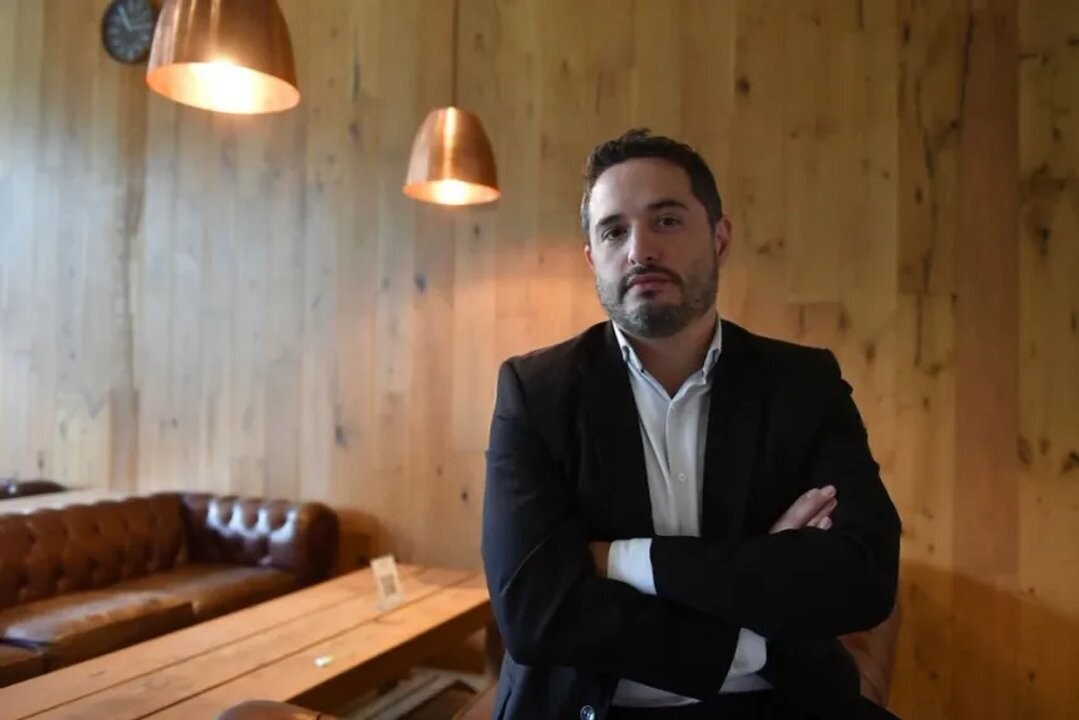
Economist and director of Econométrica, Ramiro Castiñeira, referred to the dollar purchases made by savers and companies during January, which exceeded US$3.7 billion, and pointed out that it is because the country "was accustomed to not having private investment in recent years." He exemplified with the management of Mauricio Macri, where dollars entered from exports and the capital account, but were used to finance the national State. "Now dollars enter to finance Vaca Muerta, for example," he stated in statements to Splendid AM 990, to which the Argentine News Agency had access. In turn, he stated that President Javier Milei "is doing everything necessary to kill inflation" and forecast the cost of living for the years 2026 and 2027. The economist explained why people still resort to buying dollars. In this sense, Castiñeira stated that the entry of dollars is due to the capital account "to finance private investments." Under his view, with a Peronism that is currently "weak", investments reappear. "Peronism begins to lose power, but it always resurges with force." At the same time, he criticized Peronism and accused it of expropriating every time it governs: "Not only does the market say that Peronism is equal to expropriations, but people also say that Peronism is equal to 300% inflation." According to his estimates, US$11 billion enter monthly from the sum of exports and capital inflows. The dollar fever does not stop: savers and companies bought more than US$3.7 billion in January. For him, the Argentine "stops buying so many dollars and even dares to bring them in to invest" as it is "a new dynamic of the foreign exchange market." "There are US$11 billion in supply and US$9.5 billion in demand. Of these totals, 1.6 million people bought physical dollars for US$2.613 billion." Regarding inflation projections, the director of Econométrica celebrated the macroeconomic measures that the Government is carrying out, given that "it is doing everything necessary to kill inflation" and to have "for the first time in decades the inflation that emerging countries have," around 5% annually. Regarding his forecast, Castiñeira pointed out that "there are expectations" that this year will close with a 22% annual rate, in line with the latest data from the Market Expectations Survey (REM) prepared by the Central Bank; for 2027, an election year, he pointed to an annual inflation rate of a single digit. "It is very likely that Javier Milei is entering a macroeconomy where he will have a single digit of annual inflation," he concluded.