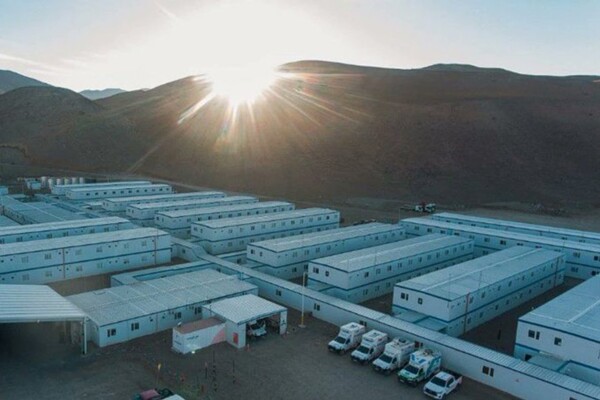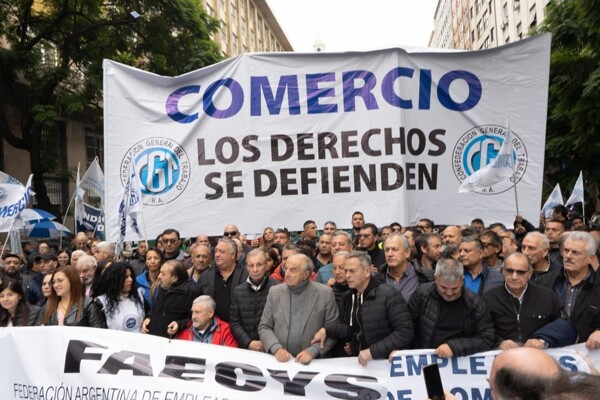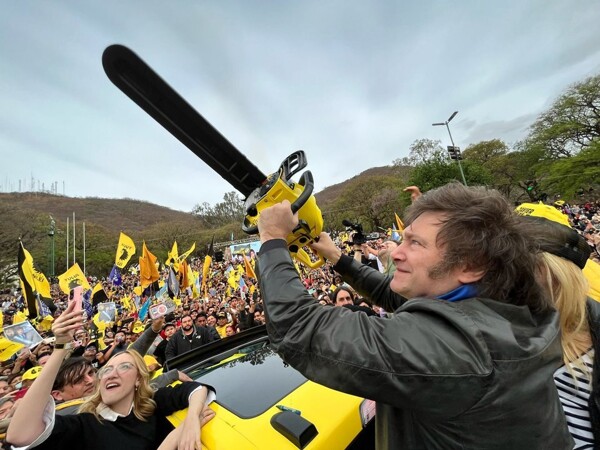
Buenos Aires, February 16, 2026 – Outside of the parliamentary and political debate over the Labor Modernization Bill, there are 6 million workers who are in the informal economy and thus lack any form of coverage. Meanwhile, on the other side, registered workers, totaling 11 million in both the public and private sectors, await to see how their lives will change when the new rules of the game are enacted. During the Javier Milei administration, beyond the 'chainsaw' applied to the public sector, informal jobs increased by 357,000 in the third quarter of last year. In contrast, 193,590 registered private-sector jobs were destroyed in the same period, according to data that reached the desk of the Argentine News Agency. This means that for every person who lost their job, almost two others joined the legion of the marginalized. In between, some 22,000 companies closed in Argentina over a two-year period, according to data from the Superintendence of Labor Risks (SRT), leaving 490,000 companies still in operation and 9,566,571 workers active. The hardening of working conditions and the lower cost of dismissals inherent in the law in question do not hold much hope for expanding hiring in the immediate future. And at best, they will encourage investors waiting for the macroeconomy to improve and for regulatory changes to be introduced to carry out pending initiatives, as in the case of mining, which is far from moving the employment needle. Reconvert or disappear The manufacturing industry, especially SMEs, which, along with construction, are the largest generators of employment for the workforce, are caught between re-conversion and closure. Although the activity rate reached 48.6%, the highest for a third quarter since 2016, it was mainly due to the forced entry of retirees into the labor market. On one hand, the number of people aged 66 or older who returned to work due to the loss of purchasing power of their pensions grew by 11% year-on-year. In contrast, the participation of young people fell by 1.6%, according to Indec. But at the same time, a peak in the number of hours worked was recorded, according to a report by the Argentina Grande Institute (IAG). The average workweek rose by three hours to 45.2 in the third quarter of 2025, representing a 9% increase from 2024. This means a greater workload at formal companies that survived factory closures, suspensions, and layoffs. The void of informality Registered private jobs fell by 193,590 since Milei took office, with Buenos Aires province being the most affected, losing 68,570 jobs. Work without contributions, stability, capital to start a business, or qualifications already represents 44.2% of the 20 million occupied workers, according to IAG, based on the microdata of Indec's Permanent Household Survey.