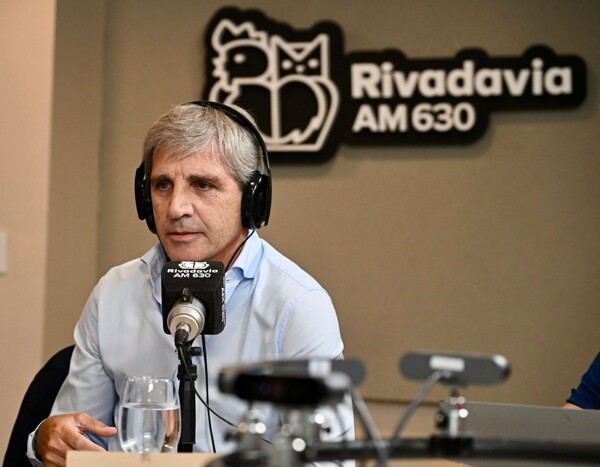
This is projected to happen in July or August. “The change was to be made once the disinflation process was over,” said Economy Minister Luis Caputo. The year-on-year accumulated rate reached 31.7%. At the same time, the national official explained that there were differences over the right time to proceed with the modification. The government justified the postponement by stating that the change will be implemented when the deceleration of prices consolidates. “If we wait for more service price hikes, as has happened recently (inflation in 2025 for goods was 26.5%, for services 43.1%, and general 31.5%), adjusting the index to one that weighs services more would have given a CPI slightly higher than the current one,” indicated Florencia Iragui, economist at LCG. This implied a change from the 2004 consumption basket to the 2017/2018 one, and with it, services would have more weight than goods. She added that if the disinflation process stalls, the new index could make it difficult to reverse the trend. The day before, the inflation data for the Autonomous City of Buenos Aires (CABA) was released, which was 3.1% in January. Conversely, the smallest increases in the month corresponded to Education, with 0.6%, and Clothing and footwear, which recorded a decrease of 0.5%. Regarding the price type classification, Seasonal items presented the highest increase, with 5.7%, followed by the Core CPI (2.6%) and Regulated prices (2.4%). Indeed, the data was released amid a debate on the INDEC methodology. The Buenos Aires figure exceeded December's, which had been 2.7%. Inflation in January 2026 reached 2.9%, according to the National Institute of Statistics and Censuses (INDEC), which implied a year-on-year variation of 32.4 percent. Restaurants and hotels recorded the second highest advance, with 4.1% more. Within the regional analysis, Food and non-alcoholic beverages had the greatest impact on the monthly variation, driven mainly by increases in Meat and derivatives, as well as Vegetables, tubers and legumes. “Marco (Lavagna) considered that for January that could already be in place,” he pointed out. Economists agree that updating the weights with the 2017/2018 survey would give more weight to services. Last week, the suspension of the new calculation formula to be applied in January was communicated. The data was published amid the questioning following Marco Lavagna's departure from the body and the decision to postpone the new formula, which meant updating the consumption basket planned for this month. Among the categories analyzed, Food and non-alcoholic beverages led the month's increases, with a rise of 4.7 percent. The local body attributed the increase to food, drinks, transport and various services, which impacted the cost of living.

Argentina Postpones Inflation Index Update
The Argentine government has postponed updating the consumer price index, which was set to increase the weight of services in the basket. The changes are now expected to take effect in July or August after the disinflation process concludes, with January inflation reaching 2.9%.