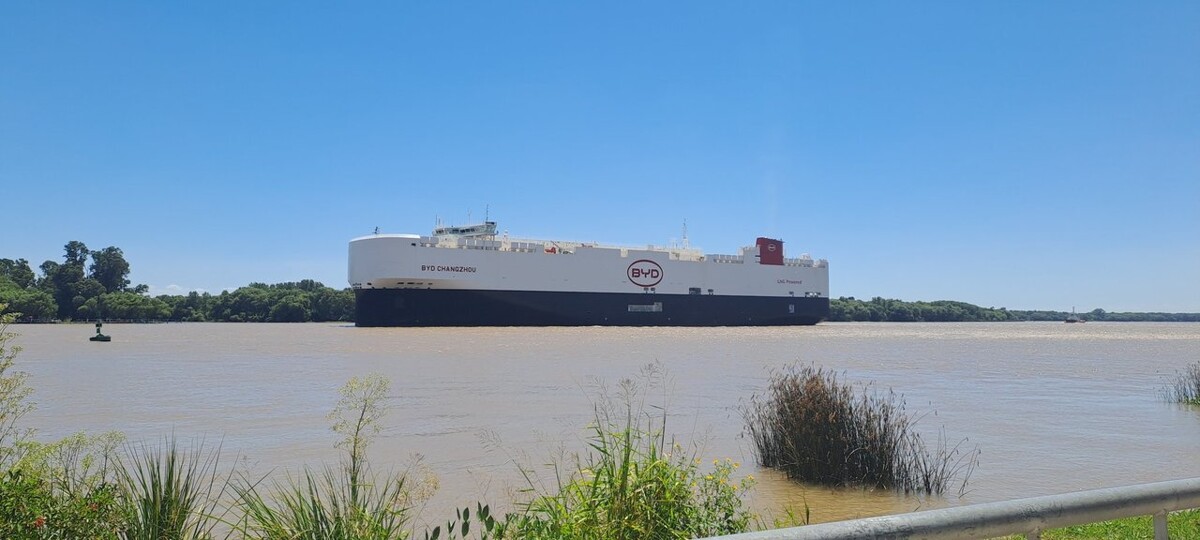
The arrival of ships loaded with vehicles from China is no longer a novelty but has become a consolidated trend. According to the Argentine News Agency, the supply of cars from the Asian giant grew by 522% compared to the beginning of 2025, driven by the opening of imports and tariff-free quotas for green technologies. While many expected 'bargain' prices, the values are in a competitive but not disruptive range: they compete on technology and equipment rather than being the 'low-cost' option.
Price list: How much do Chinese models cost today?
Below is a survey of the public sale prices (in dollars) for the most prominent models that have entered or have been renewed in the last year:
Entry-level and Citycars BYD Dolphin Mini (GL): US$ 22,990 BYD Dolphin Mini (GS): US$ 23,990
Compact and Mid-size SUVs MG ZS HEV (Hybrid - Comfort): US$ 27,500 MG ZS HEV (Luxury): US$ 29,900 Chery Tiggo 7 PRO: US$ 32,900 GAC GS4 Emkoo HEV: US$ 33,800 JAC JS6: US$ 33,900 Geely EX5 (Electric): US$ 34,800 Forthing T5 EVO: US$ 36,840
High-end and Large SUVs GAC GS8: US$ 60,000
Why are they not cheaper?
Although they enter with tariff advantages (especially electric and hybrid models that do not pay the 35% extra-zone tax), the final consumer price is impacted by logistics, VAT, and internal taxes.
The general range: An average Chinese SUV ranges between US$ 23,000 and US$ 35,000.
The top of the line: All-wheel drive, plug-in hybrid, or large pickup truck versions exceed US$ 50,000, in some cases approaching US$ 80,000.
The brands leading the 'landing'
The market has become fragmented with the arrival of new brands and the relaunch of others. Currently, Baic leads the segment with 2.2% of the total market, followed by Haval (1%).
Behind these brands operate major local business groups: Grupo Antelo: Brings Haval, Tank, Ora, and relaunched Changan. Grupo Corven: Controls Chery, Foton, and DFSK. Grupo Eximar: Introduced the historic MG (now with Chinese capital). BYD: It is the exception, operating directly without an intermediary importer. Avantek: Imports GAC. Grupo Belcastro: Responsible for Baic and Skywell.