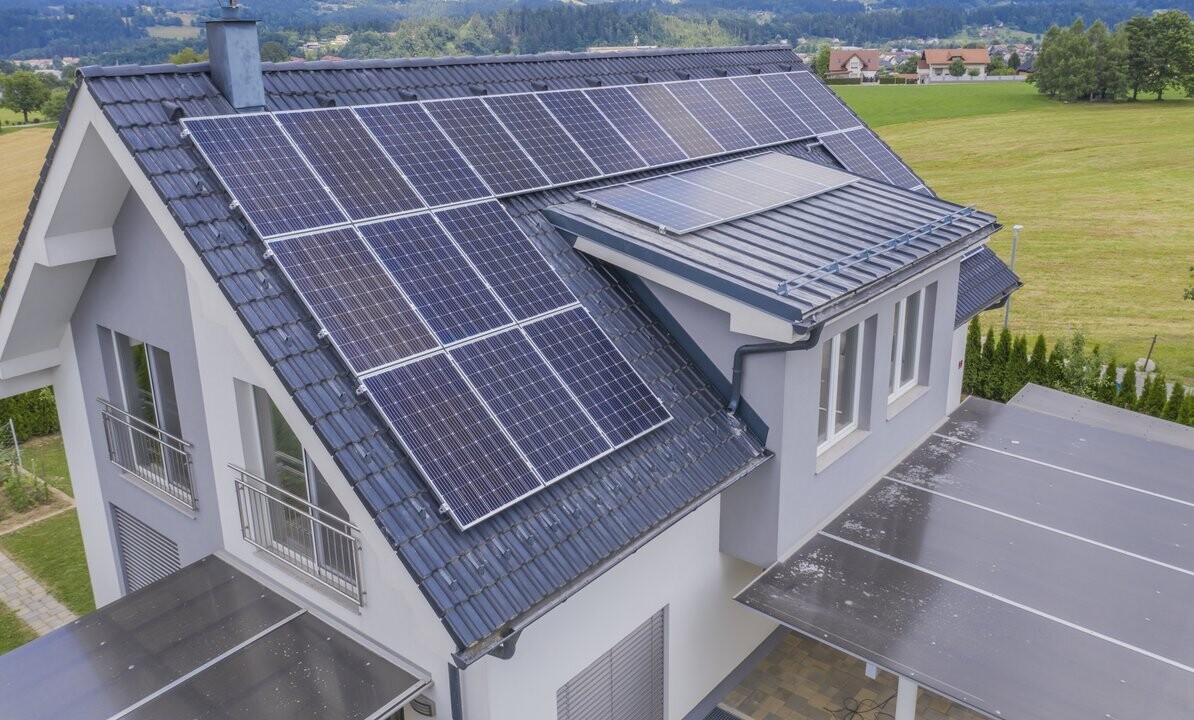
The Province of Buenos Aires has regulated community distributed generation, which establishes the regulatory framework for multiple users to join forces to produce renewable energy, share investments, and earn an economic benefit from the energy they inject into the electrical grid. Until now, the Buenos Aires distributed generation regime was aimed at individual users, such as homes, businesses, or small and medium-sized enterprises that installed solar panels for their own consumption, leaving out consortia, cooperatives, and neighborhood associations that sought to share installations and investments. In this way, users with independent electricity supplies can now associate, and even the same holder with more than one meter, as long as they are within the concession area of the same provincial or municipal distributor.
How does community distributed generation work?
The energy produced is first used for the own consumption of the project members. When there is a surplus, the system injects it into the electrical grid, and this contribution translates into an economic credit that is distributed among the users according to the percentage of participation agreed upon in advance.
Each user will receive the corresponding discount on their bill, according to the tariff tables in effect for each period. To operate under this regime, interested parties must register with the Renewable Energy Generating Users Registry of the Province of Buenos Aires (RUGER), which operates under the orbit of the Electricity Control Entity (OCEBA).