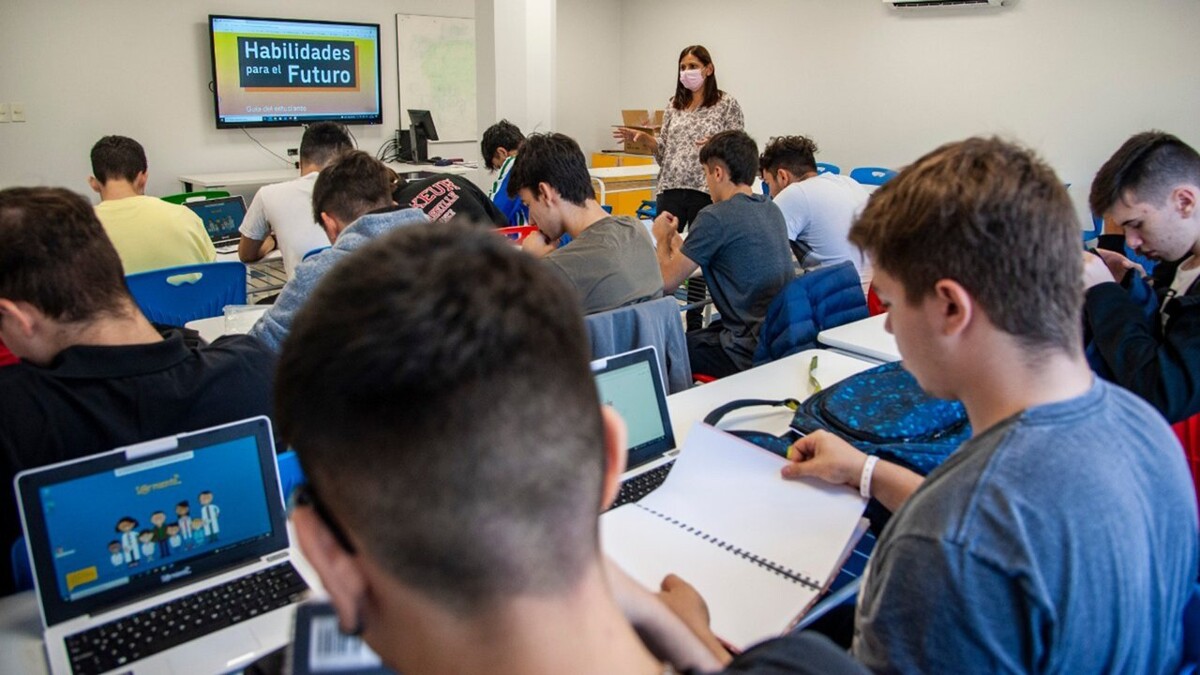
Financial education is not a theoretical topic; it is about providing tools to make informed decisions to avoid unnecessary risks and to plan as efficiently as possible decisions that are already part of daily life, said Lanzillotta. According to a national survey by BCBA Joven and Opina Argentina, eight out of ten people support making financial education a mandatory subject in schools. The survey, which included 1,336 people, reveals that 82% of respondents believe financial education should be mandatory in schools. 'The survey shows a very clear picture: 8 out of 10 people support mandatory financial education, but only 3 out of 10 say they know of such programs in schools. There is a need that is not yet fully met,' highlighted Guido Lanzillotta, president of Bolsa Joven. Support for financial education cuts across different ages, socioeconomic levels, and regions. At the same time, the study registers accelerated changes in daily financial habits: 77% of respondents use virtual wallets and QR code payments (15 points more than the previous year), and 36% already have them as their main means of payment, above cash (32%) and debit cards (18%). Among young people under 29, the adoption of financial instruments is even more visible: 23% invest in stocks, 10% have purchased public bonds, 27% operate with mutual funds, and 21% have bought cryptocurrencies. These figures show an intensive use of advanced tools that require educational support to reduce risks and strengthen capabilities. At the same time, traditional habits persist: the purchase of dollars remains the most trusted practice (62%), above fixed-term deposits (61%) and far ahead of cryptocurrencies (14%). 'The data confirms that people already make complex financial decisions every day: 65% create a household budget, and more than half had to resort to savings, loans, or extra work in the last year.'