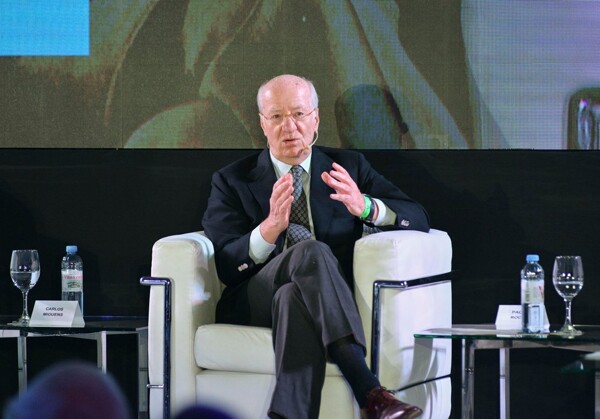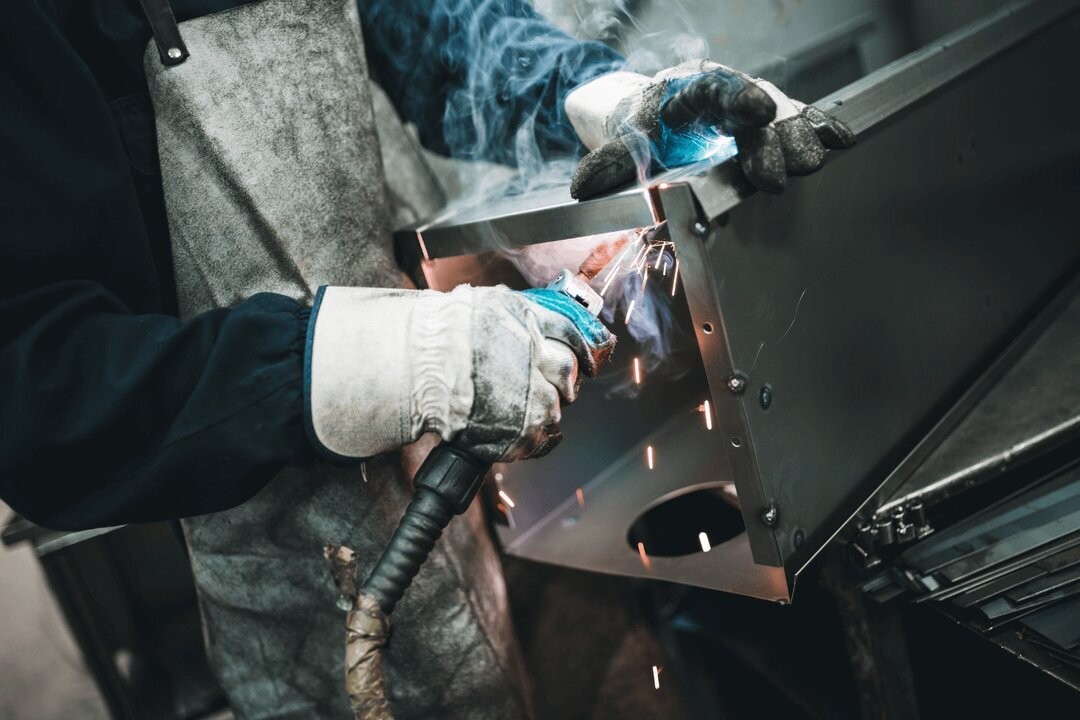
Argentina's metalworking sector has recorded one of its lowest historical figures. According to an report by the Department of Economic Studies of the Argentine Metallurgical Industrialists Association (ADIMRA), industrial production in the sector fell by 4.2% in November compared to the same month last year. On a monthly basis, the activity contracted by 0.5% compared to October. Thus, the sector has accumulated a 0.3% decrease so far this year. In this context, the capacity utilization rate stood at 44.4%, representing a year-on-year reduction of 6.1 percentage points. In terms of employment, the sector registered an annual drop of -3.3% and a decrease of -0.4% compared to October. Most of the metalworking network remained in decline. The segments linked to Final Consumption (-8.3%), Automotive (-5.8%), and Construction (-6.3%) recorded the most affected results. The province of Buenos Aires exhibited the most unfavorable result among the main metalworking jurisdictions, with a contraction of -5.6%. Meanwhile, Santa Fe (-1.5%) showed a more contained annual drop than in October, although the province remains in negative territory after the better performance evidenced in the first half of the year. Entre Ríos (-1.5%), which had recorded a positive variation the previous month, returned to negative values. Córdoba (-5.6%) deepened its annual contraction, consolidating the loss of dynamism. In Mendoza (-1.8%), although the decline was more moderate than in previous months, the activity level continues to be below that of a year ago. The president of ADIMRA, Elio Del Re, warned that "the November balance confirms the persistence of a recessionary and fragile scenario, characterized by generalized year-on-year falls, low levels of installed capacity utilization, rising imports, with no concrete signs of a sustained improvement in the short term".