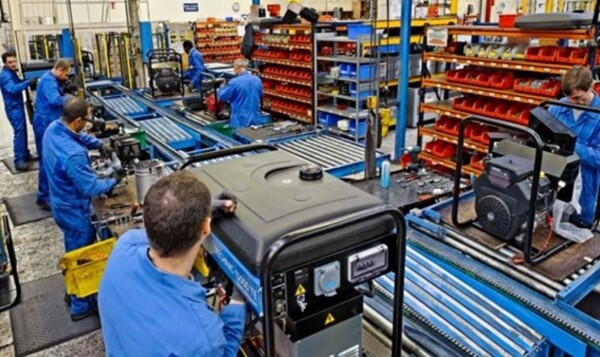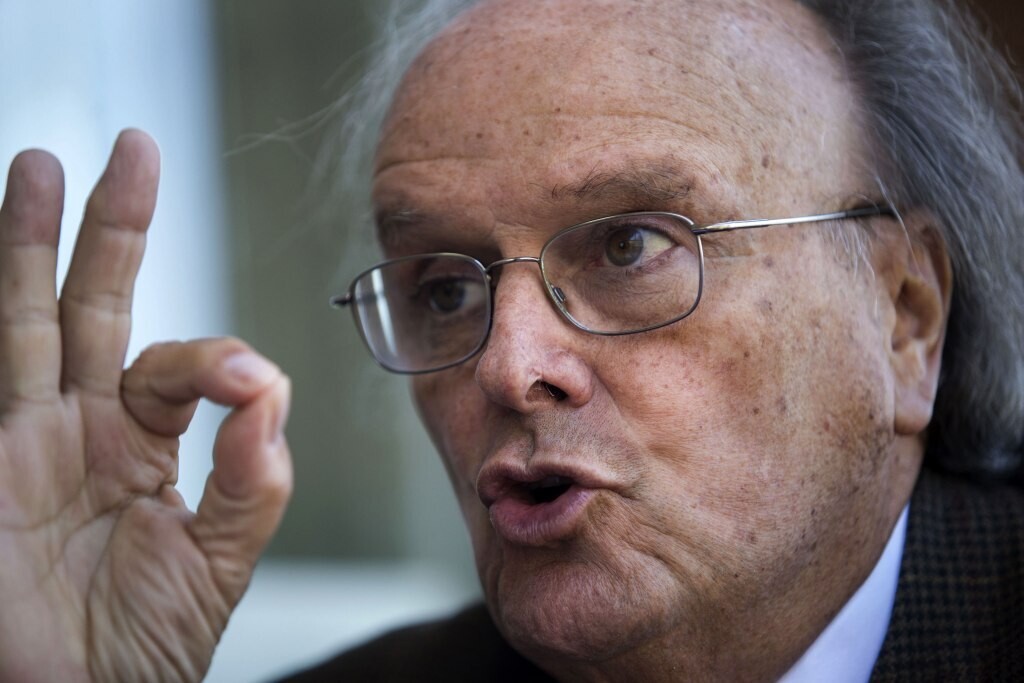
Former Minister of Production José Ignacio De Mendiguren criticized the current economic model and the departure of Whirlpool, warning of a future based on a 'primary extractive' model that generates no value or employment, in contrast to a development vision that utilizes the country's resources. In an interview with Radio Splendid AM 990, he lamented the departure of companies like Whirlpool, which had made one of the most modern and globally competitive investments in Argentina. According to Noticias Argentinas news agency, the economist stated that it was 'the most modern Whirlpool factory in the world,' producing 'a washing machine every 80 seconds' and with 'very important exports to Brazil.' He emphasized that when the company established itself in the country, it 'did not ask for any special conditions,' and the investment was 'absolutely genuine.'
De Mendiguren pointed out that the Norwegian model, which Argentina aspired to, is based on the use of primary resources (such as oil and gas) for the country's development, fostering local suppliers, science, and technology. In contrast, the Nigerian model, which, according to De Mendiguren, is being applied in Argentina, promotes extraction without value added. It prioritizes the entry of companies that 'take it all,' without investing in local technology, bringing used equipment, and without a supplier development plan. In contrast, the current scenario, which leads to the departure of a company with these characteristics, is a warning sign.
The economist revealed that in 2023, Whirlpool's global president had expressed plans to make Argentina a production center for front-loading washing machines for the entire region, which implied an investment of 'zero,' building everything from the ground up and training people. The interruption of these kinds of projects shows that 'they are abandoning it because it is not profitable.'
De Mendiguren questioned the 'brutality' with which the situation was handled, warning that while the future may lie in mining or the knowledge industry, these represent only '10% of the labor.'
Two development models: the Norwegian and the Nigerian
In this context, he pointed to two development models: the Norwegian and the Nigerian. This model, with a per capita income of $2,200 compared to Norway's $85,000, is not sustainable, as 'you will never accumulate the dollars needed for a sustainable society,' he concluded.